Nutrient Dense Food Pairing Strategies for Maximum Absorption
Discover the science of nutrient synergy and how strategic food combinations can improve vitamin and mineral absorption. Learn practical ways to optimize your daily meals.
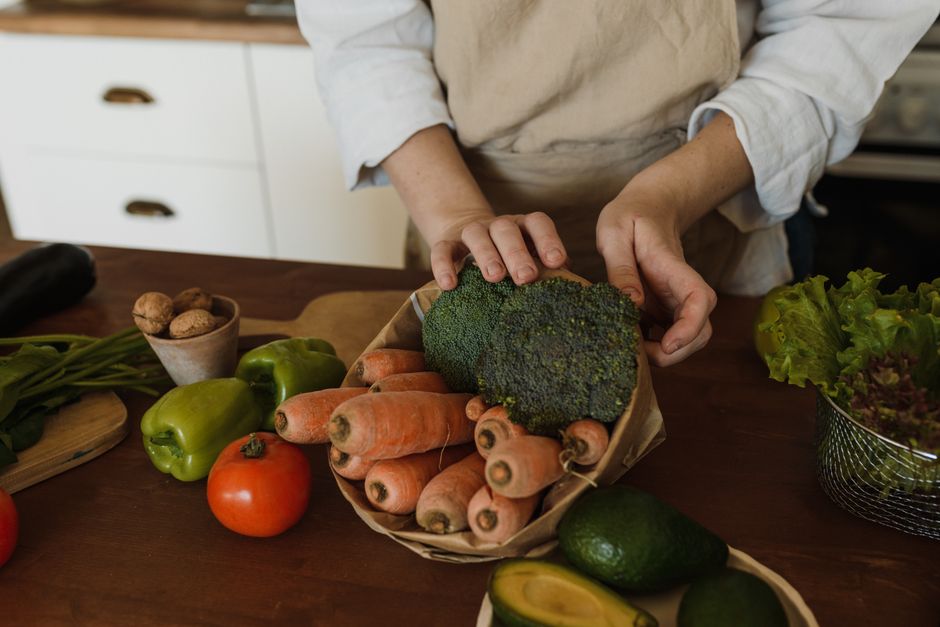
Many people focus on what they eat, but few consider how the combination of foods affects how those nutrients are absorbed. Eating a handful of spinach is a healthy choice, but without the right pairing, the body may only absorb a small fraction of the non-heme iron present in the leaves.
Optimizing nutrient density is not about eating more, but about eating smarter. By understanding the synergistic relationships between different vitamins, minerals, and macronutrients, you can ensure your body utilizes the fuel you provide more efficiently.
Why it matters
The bioavailability of a nutrient refers to the proportion of it that enters the circulation when ingested and is able to have an active effect. Certain nutrients act as facilitators, while others act as inhibitors. For instance, fat-soluble vitamins A, D, E, and K require dietary fats to be absorbed by the intestinal lining.
Following a healthy diet involves more than just calorie counting; it requires a balance of diverse food groups to prevent micronutrient deficiencies that can lead to fatigue or impaired immune function.
The science
Nutrient synergy occurs when two or more nutrients work together to enhance the absorption or efficacy of one another. A primary example is the relationship between Vitamin C and non-heme iron. Non-heme iron, found in plant sources, is less readily absorbed than heme iron from animal products. Vitamin C changes the chemical structure of this iron, making it more soluble and easier for the gut to absorb.
According to the CDC nutrition guidelines, consuming a variety of nutrient-dense foods is essential for maintaining overall health. When we pair specific foods, we are essentially leveraging biological pathways to maximize the utility of every calorie. For example, pairing healthy fats with carotenoids (like the beta-carotene in carrots) increases the uptake of these antioxidants, as they are lipophilic and cannot be absorbed in a water-based environment.
Practical strategies
Enhance mineral absorption
To maximize iron intake from plant-based sources, always pair greens, beans, or fortified cereals with a citrus fruit or bell peppers. Understanding how Vitamin C boosts iron absorption from plant foods daily can help those with low ferritin levels manage their diet more effectively. Avoid drinking tea or coffee during these meals, as tannins and polyphenols can bind to iron and inhibit its absorption.
Optimize fat-soluble vitamins
Vegetables like kale, carrots, and sweet potatoes contain vitamins that require lipids for transport. Adding a source of healthy fat- such as avocado, olive oil, or walnuts- ensures these nutrients reach the bloodstream. This is also a critical time to consider balancing omega fatty acids to ensure you are providing the right types of fats for cellular health and inflammation control.
Stabilize blood glucose levels
Pairing a simple carbohydrate with a protein or a healthy fat slows the rate of glucose absorption into the bloodstream. This prevents the sharp insulin spikes and subsequent crashes that lead to mid-afternoon fatigue. By balancing macronutrients for steady energy throughout the day, you maintain more consistent cognitive function and hunger levels.
Common mistakes
- Pairing calcium-rich foods (like cheese or yogurt) with high-iron plant foods, as calcium can compete with iron for absorption.
- Eating raw carrots or greens without any fat source, which significantly reduces the uptake of Vitamin A and K.
- Consuming high-tannin beverages, such as strong black tea, immediately after a nutrient-dense meal.
- Over-relying on a single “superfood” rather than creating diverse pairings that provide a full spectrum of co-factors.
When to seek help
While food pairing can optimize health for most, individuals with chronic conditions, such as Crohn’s disease, Celiac disease, or severe anemia, should consult a registered dietitian. These conditions can impair the gut’s ability to absorb nutrients regardless of how they are paired. Results vary from person to person, and clinical supplementation may be necessary if dietary changes do not resolve deficiencies.
Key takeaways
Nutrient density is maximized when foods are paired strategically. Vitamin C enhances iron absorption, healthy fats facilitate the uptake of fat-soluble vitamins, and protein-carb pairings stabilize energy. Avoiding inhibitors like tannins during key meals and diversifying fat sources ensures a more efficient nutritional profile.
Frequently asked
Does the timing of food pairing matter?
Yes. For maximum effect, the facilitator (like Vitamin C) should be consumed in the same meal as the nutrient it is helping (like iron).
Can I pair too many things at once?
Generally, no. Most synergistic pairings are additive. However, avoid combining high-calcium and high-iron foods in large quantities in a single sitting.
Is cooking the food a problem for pairing?
Some vitamins, like Vitamin C, are heat-sensitive. Adding a squeeze of fresh lemon juice to cooked spinach after it has been removed from the heat preserves the Vitamin C while still aiding iron absorption!
Do these rules apply to supplements?
Yes, the same principles apply. For example, taking a Vitamin D supplement with a meal containing fat is more effective than taking it on an empty stomach.
Reader notes (0)
No notes yet. Be the first to share your protocol experience.