Balancing Macronutrients for Steady Energy Throughout the Day
Feeling sluggish after meals? Adjusting the ratio of carbs, protein, and fat can stabilize blood sugar and improve energy levels. Evidence‑based strategies help you tailor your diet to your activity and goals.
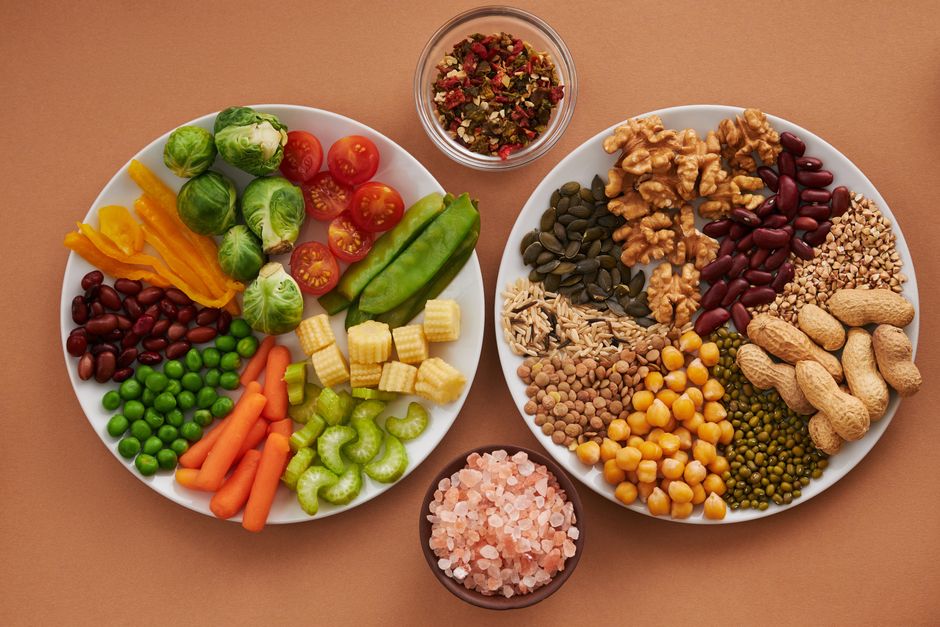
Many people notice a dip in energy a few hours after eating, even when they consume regular meals. This fatigue can stem from an imbalance of carbohydrates, protein, and fat that leads to rapid spikes and drops in blood glucose. Recognizing how macronutrients work together is the first step toward steadier vitality.
Why it matters
The proportion of macronutrients in your diet directly influences how quickly glucose enters the bloodstream and how long that energy lasts. When carbohydrates dominate without enough protein or fat, blood sugar can rise sharply and then fall, leaving you feeling tired. Conversely, too little carbohydrate may limit the fuel needed for brain and muscle function. Proper balance helps maintain stable energy, supports metabolism, and reduces cravings. NIH Office of Dietary Supplements on vitamin B12 notes that adequate B12 is essential for converting food into usable energy, underscoring the link between nutrient intake and energy production.
The science
Carbohydrates are broken down into glucose, which cells use for immediate fuel. Protein and fat slow gastric emptying and blunt the glucose surge, providing a more gradual release of energy. Protein also supplies amino acids needed for tissue repair, while fat contributes to hormone synthesis and the absorption of fat‑soluble vitamins. Iron, another micronutrient, is crucial for hemoglobin formation; insufficient iron reduces oxygen delivery to muscles and brain, exacerbating feelings of fatigue. The NIH Office of Dietary Supplements on iron explains that iron deficiency anemia is a common cause of low energy, especially in populations with inadequate dietary intake.
Practical strategies
1. Set a macronutrient range based on activity level
Use the Acceptable Macronutrient Distribution Range (AMDR) as a starting point: 45-65% of total calories from carbohydrates, 20-35% from fat, and 10-35% from protein. If you engage in endurance training, shift toward the higher end of the carbohydrate range; for strength‑focused routines, increase protein toward the upper third of its range. Adjust portions until you notice steady energy between meals.
2. Pair carbs with protein and fat at each meal
Instead of eating a bowl of plain pasta, add a source of lean protein (such as grilled chicken or beans) and a drizzle of olive oil or avocado. This combination slows digestion, moderates blood sugar spikes, and prolongs satiety. A simple rule is to fill half your plate with vegetables or fruit, one‑quarter with protein, and one‑quarter with whole grains or starchy vegetables, then add a modest fat source.
3. Monitor timing and portion size
Eating every three to four hours helps prevent large gaps that can lead to low blood sugar. Keep snacks balanced-pair a piece of fruit with a handful of nuts or yogurt-to maintain energy without overloading calories. Tracking intake with a food diary or app for a week can reveal patterns and guide adjustments.
Results vary from person to person; what works for one individual may need tweaking for another based on age, sex, health status, and personal goals.
Common mistakes
- Relying on refined carbohydrates alone, such as white bread or sugary snacks, which cause rapid glucose spikes.
- Skipping protein or fat in meals, leading to quicker hunger and energy crashes.
- Overestimating portion sizes of healthy fats, which can add excess calories without improving energy balance.
- Ignoring micronutrient needs like iron and B12, which can undermine energy despite proper macronutrient ratios.
When to seek help
If you experience persistent fatigue, unexplained weight changes, or symptoms such as dizziness, shortness of breath, or pale skin despite following balanced eating patterns, consult a healthcare professional. A registered dietitian can assess your individual macronutrient needs, and a physician can test for deficiencies like iron or B12 that may require supplementation or medical treatment.
Key takeaways
Balancing carbohydrates, protein, and fat according to your activity level promotes stable blood glucose and sustained energy. Pairing each carbohydrate source with protein and fat slows digestion and prevents crashes. Regular meals and snacks, attention to micronutrients like iron and B12, and awareness of common pitfalls help you maintain energy throughout the day. Adjustments should be personalized, and professional guidance is advisable when fatigue persists.
Frequently asked
Q: How many grams of protein should I aim for per meal?
A: A general guideline is 20-30 grams of protein per main meal, which translates to about 0.25-0.35 g per kilogram of body weight. Adjust based on your total daily protein goal and activity level.
Q: Can I follow a low‑carb diet and still have steady energy?
A: Yes, if you replace carbohydrates with adequate fat and protein to meet your caloric needs. Some individuals adapt well to lower carb intake, but monitor how you feel and ensure you’re getting enough fiber and micronutrients.
Q: Is it necessary to count calories to balance macronutrients?
A: Not strictly. Focusing on portion proportions (e.g., half plate veggies, quarter protein, quarter carbs) and choosing quality foods often naturally aligns calorie intake with energy needs. Tracking can be useful for fine‑tuning, especially when pursuing specific performance or weight goals.
Q: Should I take a B12 or iron supplement if I feel tired?
A: Only after confirming a deficiency through blood tests. Unnecessary supplementation can cause side effects, and a healthcare provider can advise on appropriate dosing if a shortfall is identified.
For full pricing, current offers, and the official guarantee, see the maker page for Collagenrefresh.
Affiliate link · This may earn us a commission at no extra cost to you.
Reader notes (0)
No notes yet. Be the first to share your protocol experience.