Balancing Omega Fatty Acids: A Guide to Omega-3 and Omega-6 Ratios
Understanding the ratio between omega-3 and omega-6 fatty acids is essential for managing systemic inflammation. This guide explores practical ways to balance these essential fats.
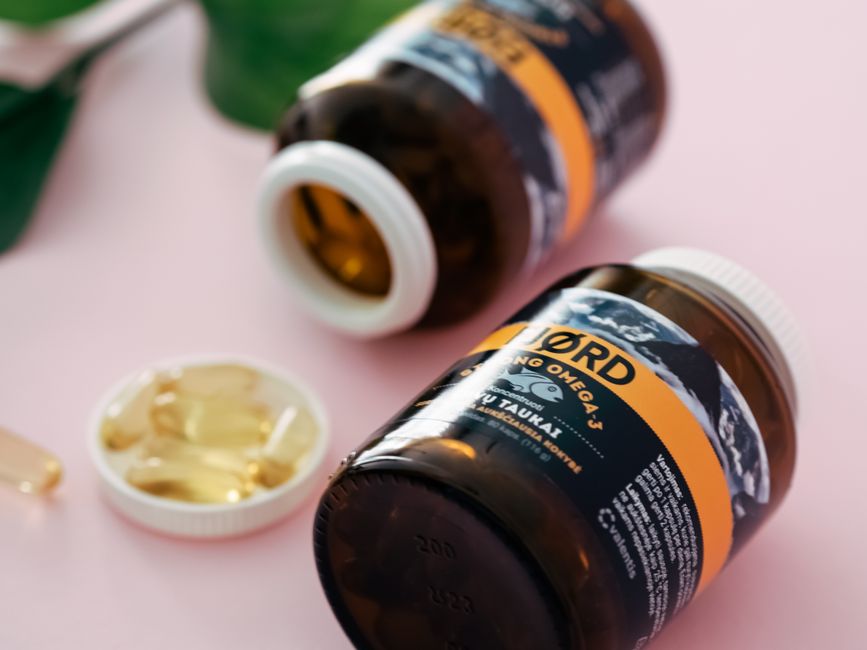
Many people focus on the total amount of fat in their diet without considering the specific types of fatty acids they consume. While “healthy fats” are often discussed as a single category, the balance between different omega families can significantly influence how the body manages inflammation and cellular function.
An imbalance often occurs when the intake of omega-6 fatty acids far exceeds that of omega-3s, a common scenario in diets heavy in processed seed oils and refined grains. This disparity can lead to a pro-inflammatory state, potentially impacting long-term cardiovascular and cognitive health.
Why it matters
Omega-3 and omega-6 fatty acids are both essential, meaning the body cannot synthesize them and must obtain them from food. They serve as structural components of cell membranes and precursors to signaling molecules called eicosanoids. According to the NIH Office of Dietary Supplements, omega-3s are critical for maintaining the structure of every cell in the body, particularly in the brain and retina.
When the ratio is skewed, the body may produce more pro-inflammatory markers than anti-inflammatory ones. This balance is not just about the presence of omega-3s, but the relative proportion of omega-6s. Achieving a stable ratio helps support joint health, mood regulation, and metabolic efficiency. This is a foundational part of balancing macronutrients for steady energy throughout the day.
The science
The competition between omega-3 and omega-6 occurs because both families utilize the same set of enzymes for metabolism. When the diet is overloaded with omega-6, these enzymes are occupied, leaving fewer resources to process omega-3s into their active forms, such as EPA (eicosapentaenoic acid) and DHA (docosahexaenoic acid).
Omega-6 fatty acids, primarily linoleic acid, are generally precursors to pro-inflammatory eicosanoids. While inflammation is a necessary immune response to injury or infection, chronic low-grade inflammation is linked to various metabolic disorders. The CDC nutrition guidelines emphasize the importance of a diverse diet rich in whole foods to ensure the body receives the necessary nutrients to regulate these processes effectively.
In a typical modern Western diet, the ratio of omega-6 to omega-3 can reach 15:1 or even 20:1. Many researchers suggest that a ratio closer to 4:1 or even 1:1 may be more conducive to overall wellness, though individual needs vary based on genetic predispositions and existing health conditions.
Practical strategies
Prioritize marine-based omega-3s
While plant-based sources like flaxseeds provide ALA (alpha-linolenic acid), the conversion rate to EPA and DHA is quite low. To ensure adequate levels of the most active forms of omega-3, incorporate fatty fish two to three times per week. Salmon, mackerel, sardines, and herring are dense sources of these nutrients. For those following a plant-based diet, algae-based supplements provide a direct source of DHA and EPA without the need for conversion.
Audit your cooking oils
The most effective way to lower the omega-6 load is to reduce the use of refined seed oils, such as soybean, corn, and cottonseed oils. These are often found in processed snacks and restaurant foods. Replacing these with monounsaturated fats like extra virgin olive oil or avocado oil reduces the omega-6 intake without sacrificing flavor or cooking versatility. This shift helps stabilize the internal environment, allowing omega-3s to compete more effectively for enzymatic conversion.
Integrate omega-3 rich seeds and nuts
Adding small amounts of walnuts, chia seeds, and hemp seeds to meals provides a steady stream of ALA. While not as potent as fish oil, these provide fiber and other minerals that support the absorption of fats. Using these as toppers for salads or oatmeal is a simple way to shift the ratio without drastically altering eating habits.
Common mistakes
- Over-relying on ALA: Assuming that flaxseed oil alone provides enough EPA and DHA for brain health.
- Ignoring hidden oils: Failing to read labels on condiments and dressings that contain high amounts of soybean or sunflower oil.
- Excessive supplementation: Taking high-dose omega-3 supplements without reducing omega-6 intake, which addresses the symptom but not the underlying ratio imbalance.
- Neglecting whole food sources: Relying on pills instead of eating whole fish or nuts, which provide synergistic nutrients like selenium and vitamin D.
When to seek help
If you experience persistent joint pain, chronic skin inflammation, or cognitive fog despite dietary changes, it may be beneficial to consult a registered dietitian or a physician. Blood tests, such as the Omega-3 Index, can provide a precise measurement of your current levels. Results vary from person to person, and a professional can help determine if a targeted supplementation plan is necessary to correct a severe imbalance.
Key takeaways
Balancing omega fatty acids is about more than just adding fish oil; it is about reducing the excess of pro-inflammatory oils while increasing anti-inflammatory sources. Focus on whole foods, swap refined seed oils for olive oil, and prioritize fatty fish or algae sources. A balanced ratio supports systemic health, cognitive function, and cardiovascular stability.
Frequently asked
Is omega-6 bad for you?
No, omega-6 is an essential fatty acid. The problem is not the presence of omega-6, but the disproportionately high amount found in modern diets compared to omega-3s.
Can I get enough omega-3s from a vegan diet?
Yes, but it requires more intention. Algae-based supplements are the only direct vegan source of EPA and DHA, while seeds provide ALA.
How long does it take to see a difference?
Cell membrane composition changes slowly. It typically takes several weeks to a few months of consistent dietary adjustments to shift the fatty acid profile of your cells.
Do I need a supplement if I eat fish?
If you consume oily fish twice a week, a supplement may not be necessary for most people. However, individual requirements depend on age, activity level, and health status!
For full pricing, current offers, and the official guarantee, see the maker page for Collagenrefresh.
Affiliate link · This may earn us a commission at no extra cost to you.
Reader notes (0)
No notes yet. Be the first to share your protocol experience.