Reducing Water Retention Naturally
Reduce water retention with natural methods. Discover how simple changes can make a big difference in your weight and overall health.
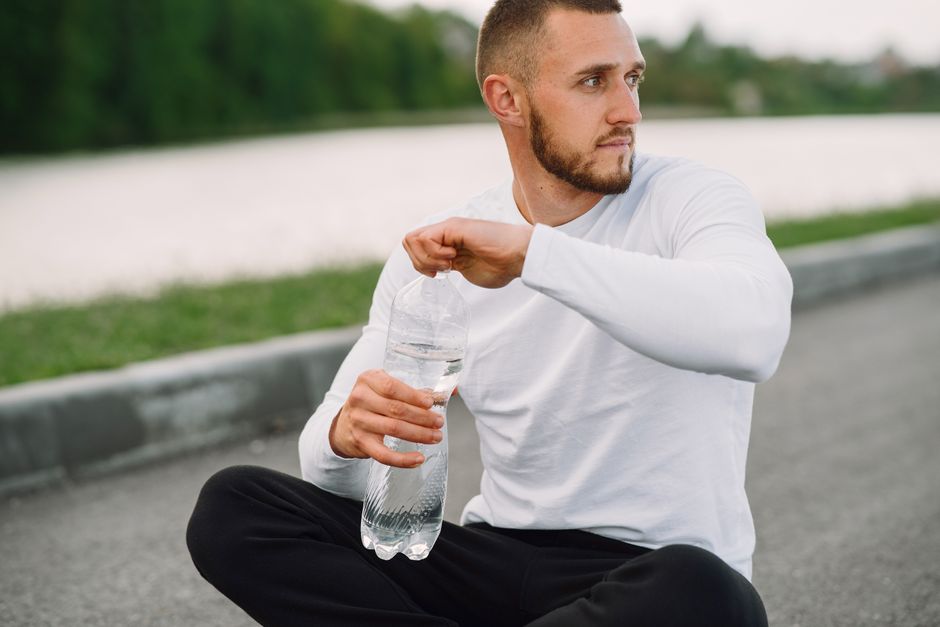
Have you ever woken up feeling bloated and heavy, only to realize that it’s not just a matter of overeating the night before? Water retention can be a frustrating and uncomfortable issue, affecting not just our weight but also our overall well-being. It’s a common problem that many of us face, and it’s often linked to our diet, lifestyle, and even hormonal changes.
For many people, water retention is a recurring issue that can be challenging to manage. The good news is that there are many natural and effective ways to reduce water retention, and it all starts with understanding why it matters and how our bodies work.
Why it matters
Water retention, also known as edema, occurs when our bodies hold onto excess fluid, leading to swelling, bloating, and discomfort. According to the CDC on healthy weight, maintaining a healthy weight is crucial for our overall health, and reducing water retention is an essential part of achieving that goal. By understanding the causes of water retention and taking steps to reduce it, we can improve our overall health and well-being.
The science
Our bodies are made up of approximately 60% water, and it plays a vital role in many of our bodily functions, including digestion, circulation, and temperature regulation. However, when our bodies hold onto excess fluid, it can lead to water retention. The NIH Office of Dietary Supplements on weight loss supplements explains that certain supplements and medications can help with weight loss, but it’s essential to approach these options with caution and consult with a healthcare professional.
Practical strategies
Dietary changes
One of the most effective ways to reduce water retention is by making dietary changes. Eating a balanced diet that is rich in fruits, vegetables, and whole grains can help to reduce inflammation and improve digestion. You can also try incorporating foods that are natural diuretics, such as asparagus, celery, and cucumber, into your meals. Additionally, you can read our article on Portion Control Techniques for Simple Sustainable Weight Loss to learn more about managing your food intake.
Exercise and physical activity
Regular exercise and physical activity can help to reduce water retention by improving circulation and boosting our metabolism. Activities such as walking, jogging, and yoga can be particularly effective in reducing water retention. You can also try incorporating strength training into your routine, as building muscle mass can help to increase our resting metabolic rate, as discussed in our article on How Increasing Lean Muscle Mass Boosts Resting Metabolic Rate.
Stress management
Stress can exacerbate water retention, so it’s essential to find healthy ways to manage stress. Techniques such as meditation, deep breathing, and progressive muscle relaxation can help to reduce stress and anxiety. You can also try incorporating activities that bring you joy and help you relax, such as reading or listening to music. Furthermore, building core strength through exercises like planks and bridges, as outlined in our article on Building Core Strength for Better Posture and Daily Comfort, can also help reduce stress and improve overall well-being.
Common mistakes
- Eating too much salt, which can lead to water retention
- Not drinking enough water, which can cause our bodies to hold onto excess fluid
- Not getting enough physical activity, which can lead to poor circulation and water retention
- Not managing stress effectively, which can exacerbate water retention
When to seek help
If you’re experiencing persistent or severe water retention, it’s essential to seek help from a healthcare professional. They can help to identify the underlying cause of your water retention and provide personalized advice and treatment. Results vary from person to person, so it’s crucial to work with a healthcare professional to develop a plan that’s tailored to your needs.
Key takeaways
Reducing water retention requires a combination of dietary changes, regular exercise, and stress management. By incorporating these strategies into your daily routine, you can help to reduce water retention and achieve a healthier weight. Remember to always consult with a healthcare professional before starting any new supplements or medications.
Frequently asked
Q: What are the most common causes of water retention?
A: The most common causes of water retention include hormonal changes, certain medications, and dietary factors such as excessive salt intake.
Q: How can I reduce water retention quickly?
A: While there’s no quick fix for water retention, incorporating natural diuretics into your diet and increasing your physical activity can help to reduce water retention.
Q: Can certain supplements help with water retention?
A: Some supplements, such as potassium and magnesium, may help to reduce water retention, but it’s essential to consult with a healthcare professional before taking any new supplements.
Q: How long does it take to see results from reducing water retention?
A: The time it takes to see results from reducing water retention varies from person to person, but with consistent effort and patience, you can start to notice improvements in as little as a few weeks.
For full pricing, current offers, and the official guarantee, see the maker page for Web Aquaburn.
Affiliate link · This may earn us a commission at no extra cost to you.
Reader notes (0)
No notes yet. Be the first to share your protocol experience.