Building Core Strength for Better Posture and Daily Comfort
Weak core muscles often lead to slouched shoulders and lower‑back discomfort, affecting breathing and mobility. Strengthening the deep abdominal and spinal stabilizers improves alignment, reduces strain, and supports better movement throughout the day.
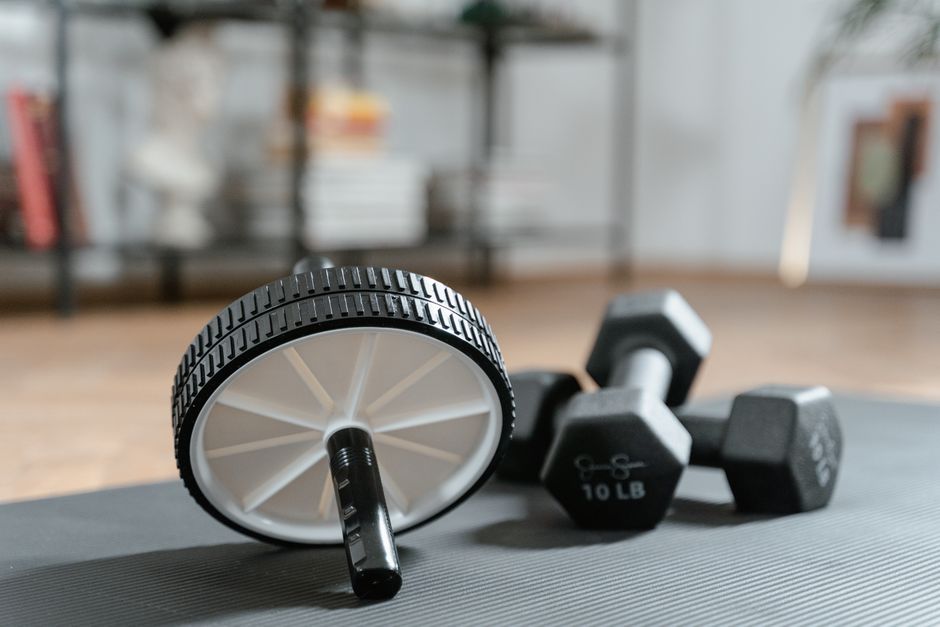
Many people notice a gradual slump after hours at a desk or while using a phone. Shoulders round, the lower back aches, and even simple tasks like reaching for a shelf feel harder. This pattern often stems from a weak core, the group of muscles that stabilizes the spine and pelvis.
When the core cannot maintain proper alignment, other muscles compensate, leading to fatigue and discomfort. Building core strength is not about achieving a six‑pack; it’s about creating a stable foundation that lets you stand taller, move easier, and reduce strain on the back and neck.
Why it matters
Good posture influences more than appearance; it affects breathing, digestion, and joint health. According to the CDC, maintaining a healthy weight and proper alignment lowers the risk of musculoskeletal pain and improves overall function. When the core is weak, the spine loses its natural curves, increasing pressure on discs and ligaments.
The science
The core includes deep muscles such as the transversus abdominis, multifidus, diaphragm, and pelvic floor. These muscles act like a corset, tightening to stabilize the spine during movement. Research shows that targeted core stabilization training can increase trunk endurance by 27% after six weeks of three‑sessions‑per‑week routines1. Better endurance translates to steadier posture during prolonged sitting or standing.
Supporting this, the NIH Office of Dietary Supplements notes that adequate nutrition, especially protein, supports muscle repair and growth, which is essential for sustaining core strength gains2.
Practical strategies
1. Activate the deep core with diaphragmatic breathing
Lie on your back with knees bent. Place one hand on your chest and the other on your belly. Inhale slowly through the nose, feeling the belly rise while the chest stays relatively still. Exhale gently through pursed lips, drawing the belly button toward the spine. Perform 2‑3 sets of 10 breaths daily. This teaches the transversus abdominis to engage without holding your breath.
2. Incorporate plank variations
Start with a forearm plank: elbows under shoulders, body in a straight line from head to heels. Hold for 20‑30 seconds, focusing on keeping the pelvis neutral and avoiding hip sag. Progress to side planks or plank shoulder taps as strength improves. Aim for three sets, three times per week.
3. Add functional movements like bird‑dog and dead bug
Bird‑dog: On hands and knees, extend the right arm forward and left leg back, keeping the torso stable. Hold for three seconds, then switch sides. Dead bug: Lie on your back, arms toward the ceiling, knees bent at 90 degrees. Lower the right arm overhead while straightening the left leg, then return. Perform 10‑12 repetitions per side, two sets each session.
Results vary from person to person, but consistent practice typically yields noticeable improvements in posture and comfort within four to eight weeks.
Common mistakes
- Holding the breath during core exercises, which reduces muscle activation.
- Allowing the hips to drop or rise in planks, shifting load to the lower back.
- Relying solely on crunches, which target superficial muscles and neglect deep stabilizers.
- Skipping progression and staying at the same intensity, limiting further gains.
When to seek help
If you experience persistent pain, numbness, or weakness despite regular core work, consult a physical therapist or qualified fitness professional. They can assess movement patterns, identify underlying issues, and tailor a program that safely addresses your needs.
Key takeaways
- A strong deep core stabilizes the spine and supports upright posture.
- Diaphragmatic breathing, planks, and functional movements are evidence‑based ways to build that strength.
- Avoid common errors like breath‑holding and hip misalignment to maximize benefit.
- Seek professional guidance if pain persists or you notice if discomfort continues despite effort.
Frequently asked
How often should I train my core? Aim for three sessions per week, allowing at least one day of rest between intense workouts.
Can I improve posture without equipment? Yes. Bodyweight exercises like planks, bird‑dog, and dead bug require no gear and are highly effective.
Will core training help with back pain? Strengthening the deep stabilizers often reduces strain on the lumbar spine, which can alleviate mild to moderate back discomfort.
Do I need to focus on “six‑pack” abs? No. The goal is endurance and stability of the deep core muscles, not superficial aesthetics.
For full pricing, current offers, and the official guarantee, see the maker page for Web Aquaburn.
Affiliate link · This may earn us a commission at no extra cost to you.
Reader notes (0)
No notes yet. Be the first to share your protocol experience.