Soundproofing Your Bedroom: Evidence-Based Noise Reduction Tips
Environmental noise often disrupts sleep architecture and prevents deep recovery. This guide explores practical soundproofing methods to create a quiet, restorative bedroom.
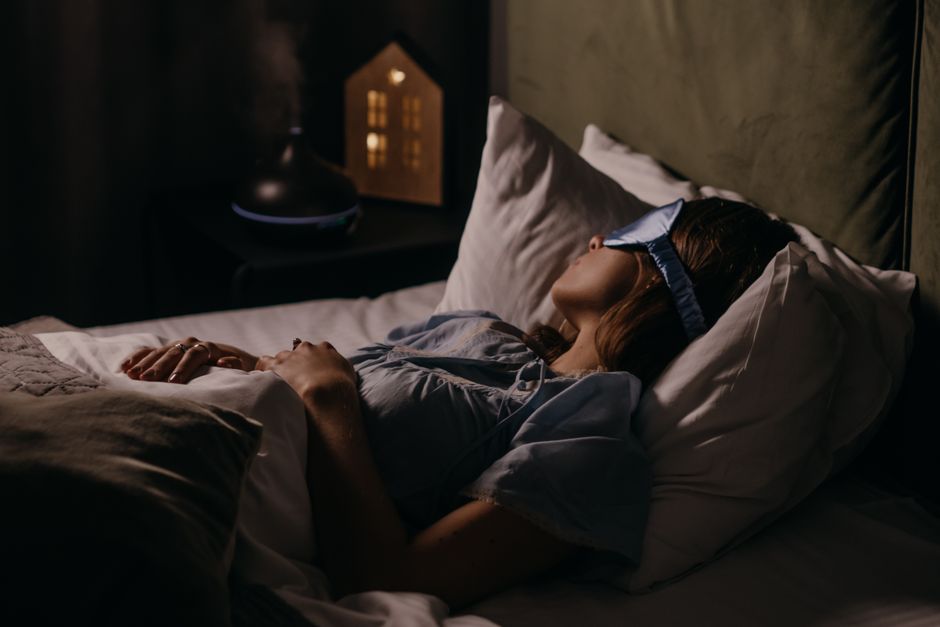
An unexpected siren, a neighbor’s loud television, or the hum of a distant highway can trigger an immediate arousal response, pulling you out of a deep sleep state even if you do not fully wake up. These auditory disruptions fragment sleep, leaving many people feeling groggy and unfocused the next morning.
Creating a quiet sanctuary is not just about luxury; it is about protecting the brain’s ability to cycle through essential sleep stages. While we cannot always control the external world, we can modify our immediate environment to dampen sound transmission and mask unavoidable noise.
Why it matters
Environmental noise is a significant risk factor for sleep fragmentation. When the brain perceives a sudden sound, it triggers the sympathetic nervous system, increasing heart rate and cortisol levels. This prevents the transition into slow-wave sleep, which is critical for physical repair and memory consolidation.
Research indicates that chronic noise exposure can lead to long-term health issues, including hypertension and increased cardiovascular stress. While some individuals are more sensitive to noise than others, the general physiological response to auditory disruption remains consistent across populations. Results vary from person to person, but the goal remains the same: minimizing the frequency of nocturnal awakenings.
The science
Sound travels in two primary ways: airborne noise and structure-borne noise. Airborne noise travels through the air (voices, sirens), while structure-borne noise travels through the building’s materials (footsteps from upstairs, vibrating pipes). To stop these, you need a combination of mass, damping, and decoupling.
Mass blocks sound by making it harder for sound waves to vibrate a surface. Damping absorbs the energy of the sound wave, while decoupling creates a physical break in the path of the vibration. This physiological need for quiet is often paired with other environmental optimizations. For instance, optimizing bedroom lighting for better sleep quality works in tandem with soundproofing to signal to the brain that the environment is safe for deep rest.
Furthermore, the body’s internal chemistry plays a role in how we handle sleep disruptions. Some people use supplements to support their natural sleep-wake cycle, such as melatonin, which helps regulate the timing of sleep onset, though it does not eliminate the impact of external noise.
Practical strategies
Seal the gaps and air leaks
Sound behaves like water; it will find the smallest opening to enter a room. The most common entry points are gaps under doors and around window frames. Installing a heavy-duty door sweep or weather-stripping around window casements can significantly reduce airborne noise. A simple gap of just 1% of a wall’s surface area can let in up to 50% of the sound from the other side.
Add density to walls and windows
To block low-frequency sounds, you need mass. Heavy, blackout curtains made of dense fabric can absorb sound waves before they bounce off hard glass surfaces. For those dealing with thin walls, adding bookshelves filled with books or installing acoustic panels can dampen echoes and reduce the transmission of noise from adjacent rooms. These additions increase the room’s overall sound absorption coefficient, making the space feel “softer” and quieter.
Implement sound masking
When total silence is impossible, the goal shifts from soundproofing (blocking) to sound masking (covering). White noise, pink noise, or brown noise creates a consistent auditory floor that reduces the “startle” effect of sudden sounds. By raising the ambient noise level slightly, the contrast between the background and a sudden noise (like a car door slamming) is minimized, making it less likely to trigger a wake-up response.
Common mistakes
- Using thin foam panels: Cheap egg-carton foam is designed for echo reduction in studios, not for blocking sound from entering a room. It does not provide the mass needed for true soundproofing.
- Ignoring the ceiling: Many people focus on walls but forget that structure-borne noise often travels through the ceiling. Adding area rugs in the room above or acoustic clouds can help.
- Over-reliance on earplugs: While effective, some earplugs can cause ear canal irritation or pressure if used incorrectly every night.
- Neglecting the “air gap”: Adding heavy curtains without sealing the window gaps first often results in sound leaking around the edges, neutralizing the benefit of the fabric.
When to seek help
If you have soundproofed your environment and still experience chronic insomnia, excessive daytime sleepiness, or an inability to fall asleep despite a quiet room, it may be a clinical issue rather than an environmental one. Consult a sleep specialist or a primary care physician to rule out sleep apnea, restless leg syndrome, or primary insomnia.
Key takeaways
Effective soundproofing requires a multi-layered approach: sealing gaps to stop airborne noise, adding mass to block transmission, and using masking techniques to reduce the impact of unavoidable sounds. By combining these physical changes with a consistent sleep schedule and a dark environment, you create the optimal conditions for uninterrupted rest.
Frequently asked
Does white noise actually work?
Yes, white noise works by reducing the signal-to-noise ratio. It doesn’t remove the noise, but it makes the sudden peaks of sound less noticeable to the brain.
What is the difference between soundproofing and acoustic treatment?
Soundproofing stops sound from entering or leaving a room. Acoustic treatment improves the sound quality inside the room by reducing echoes and reverberation.
Are heavy curtains enough to block street noise?
They help reduce high-frequency sounds and echoes, but for heavy traffic or low-frequency rumbles, you typically need more substantial interventions like double-pane windows or specialized sound-blocking inserts.
Can I soundproof my room on a budget?
Yes. The most cost-effective steps are sealing door gaps with weather-stripping, rearranging furniture to place wardrobes against shared walls, and using a fan or white noise machine.
For full pricing, current offers, and the official guarantee, see the maker page for Sleeplean.
Affiliate link · This may earn us a commission at no extra cost to you.
Reader notes (0)
No notes yet. Be the first to share your protocol experience.