Optimizing Bedroom Lighting for Better Sleep Quality
Light is one of the primary drivers of your internal clock. Learn how to curate your bedroom lighting to support melatonin production and deeper rest.
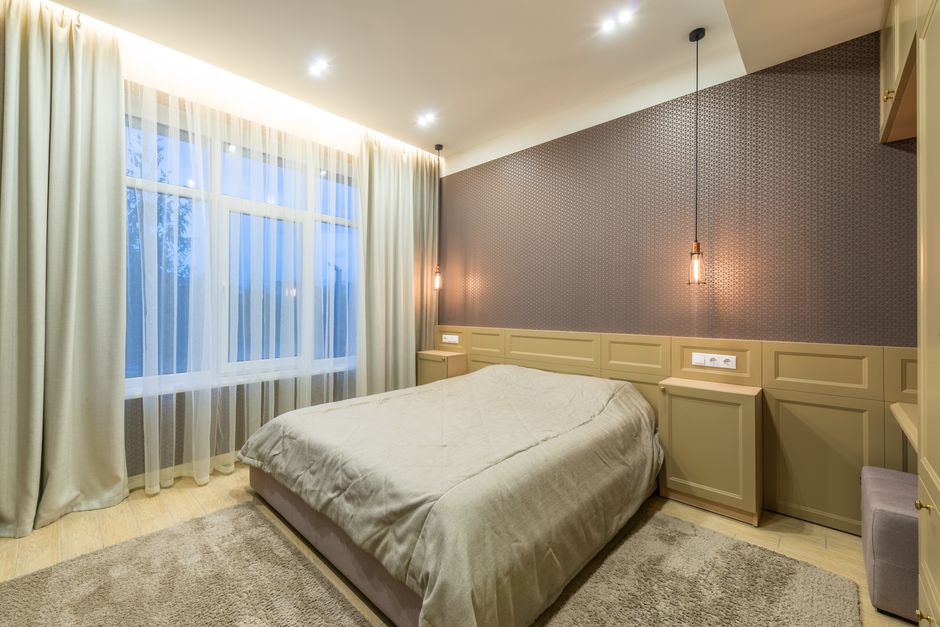
Many people struggle with insomnia or fragmented sleep despite investing in high-end mattresses and linens. Often, the missing piece is the lighting environment. When the brain is exposed to the wrong type of light at the wrong time, it receives a signal that the day is still happening, preventing the natural transition into sleep.
Creating a sleep-conducive environment requires more than just turning off the main switch. It involves managing the color temperature, intensity, and timing of light exposure to align with your biological needs.
Why it matters
The human body operates on a 24-hour internal clock known as the circadian rhythm. This system regulates everything from body temperature to hormone release. When bedroom lighting is too bright or contains high levels of blue light in the evening, it suppresses the production of melatonin, the hormone responsible for signaling to the brain that it is time to sleep.
According to the NIH Office of Dietary Supplements on melatonin, this hormone is produced by the pineal gland in response to darkness. Disrupting this process can lead to delayed sleep onset and reduced REM sleep quality, which impacts cognitive function and emotional regulation the following day.
The science
The mechanism behind light-induced wakefulness involves specialized cells in the retina called intrinsically photosensitive retinal ganglion cells (ipRGCs). These cells are particularly sensitive to short-wavelength light, which is the blue light emitted by LEDs, smartphones, and many modern overhead lights.
When these cells detect blue light, they send a signal to the suprachiasmatic nucleus (SCN) in the hypothalamus. The SCN then inhibits the pineal gland’s release of melatonin. This is an evolutionary adaptation that kept humans awake during daylight hours. However, in a modern bedroom, this means that a bedside lamp with a “cool white” bulb can trick the brain into thinking it is midday, delaying the sleep cycle by several hours.
Practical strategies
Transition to warm-spectrum lighting
Switch your bedroom bulbs from “daylight” or “cool white” (5000K-6500K) to “warm white” or “soft white” (2700K-3000K). Warm light mimics the spectrum of the setting sun and is less likely to suppress melatonin production. If replacing bulbs is not an option, consider using smart bulbs that allow you to shift the color temperature automatically as the evening progresses.
Implement a dimming protocol
Gradually reducing light intensity two hours before bed prepares the nervous system for rest. Start by turning off overhead lights and relying on low-level lamps. This “dimming” phase signals the brain to begin the wind-down process. Aim for a light level below 50 lux in the hour before sleep to minimize alertness.
Eliminate light pollution
Even small amounts of light can penetrate the eyelids and disrupt sleep architecture. Use blackout curtains to block streetlights and electronic standby lights. If you cannot control external light sources, a high-quality contoured sleep mask can provide the necessary darkness. Results vary from person to person, but most find that a completely dark environment reduces midnight awakenings.
Common mistakes
- Using a smartphone as a bedside lamp: The concentrated blue light from screens is highly stimulating to the ipRGCs.
- Leaving the bathroom light on full brightness: A bright light during a midnight bathroom trip can fully wake the brain, making it difficult to return to sleep.
- Relying on “blue light filters” alone: While software filters help, they do not eliminate the brightness of the screen, which still affects alertness.
- Using high-intensity white light for reading: Using a bright white lamp for nighttime reading can delay sleep onset. Opt for a dim, amber-toned reading light instead.
When to seek help
If you have optimized your lighting environment and still experience chronic insomnia, excessive daytime sleepiness, or severe restlessness, it may be a sign of a clinical sleep disorder. Consult a healthcare provider or a sleep specialist to rule out conditions such as sleep apnea or circadian rhythm sleep disorders that require medical intervention beyond environmental adjustments.
Key takeaways
Optimizing your bedroom lighting involves shifting from cool, bright light to warm, dim light in the evening. By reducing blue light exposure and eliminating external light pollution, you support the natural production of melatonin. Consistency in your lighting routine helps anchor your circadian rhythm, leading to faster sleep onset and improved sleep maintenance.
Frequently asked
Does the color of the light really make a difference?
Yes. Short-wavelength blue light is the most suppressive to melatonin, while long-wavelength red and amber lights have the least impact on your sleep-wake cycle.
Should I sleep in total darkness?
For most people, total darkness is ideal for deep sleep. However, some find a very dim, warm nightlight helpful for safety and navigation without fully waking the brain.
Can a sleep mask replace blackout curtains?
A sleep mask is an effective alternative for blocking light, but blackout curtains also help regulate the room temperature, which is another critical factor for sleep quality.
How long does it take to see results from lighting changes?
Many people notice a difference in sleep onset within a few days, though stabilizing a disrupted circadian rhythm may take one to two weeks of consistent practice.
For full pricing, current offers, and the official guarantee, see the maker page for Sleeplean.
Affiliate link · This may earn us a commission at no extra cost to you.
Reader notes (0)
No notes yet. Be the first to share your protocol experience.