Exercises for Sacroiliac Joint Stability: Evidence-Based Routine
Targeted strengthening of the muscles around the sacroiliac joint can enhance stability and alleviate low back discomfort. This article outlines safe, evidence‑based exercises and common pitfalls to avoid.
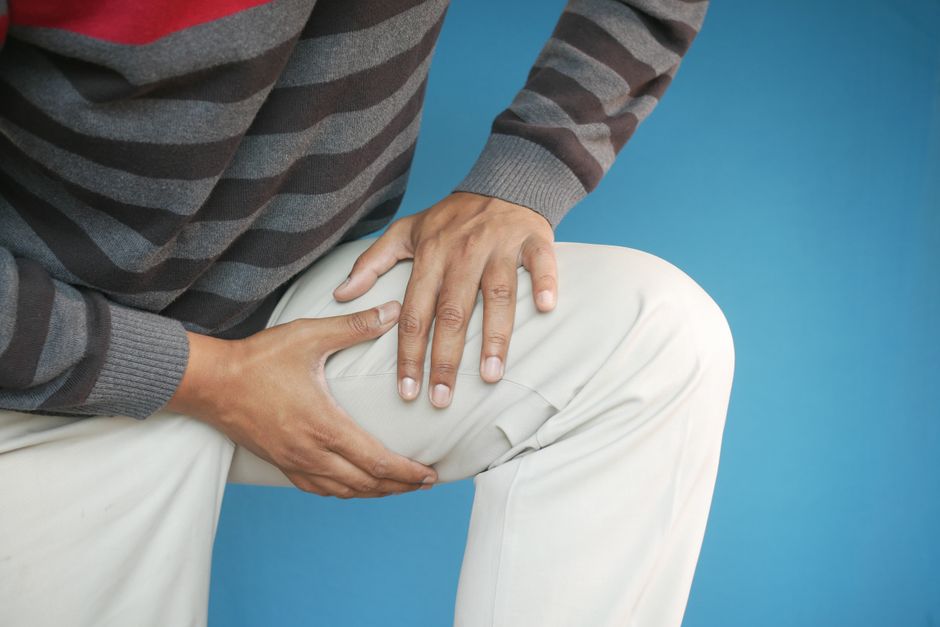
Many individuals experience low back pain that intensifies during prolonged standing, walking, or climbing stairs. Often the discomfort originates not from the lumbar spine but from the sacroiliac (SI) joint, which links the spine to the pelvis.
When the SI joint lacks adequate muscular support, abnormal movement can lead to irritation and pain. Strengthening the surrounding musculature improves joint stability, distributes loads more evenly, and can reduce symptoms for many people.
Why it matters
The sacroiliac joint transfers weight from the upper body to the legs and absorbs shock during gait. Although its motion is limited to a few degrees, insufficient stability can contribute to mechanical low back pain. Research suggests that SI joint dysfunction accounts for approximately 15‑25% of chronic low back pain cases.
Maintaining joint stability through targeted exercise aligns with public‑health recommendations for regular physical activity. The CDC Physical Activity guidelines note that consistent movement helps preserve joint function and reduces injury risk.
The science
The SI joint is reinforced by a network of ligaments and muscles, including the gluteus maximus, piriformis, hamstrings, and deep core stabilizers such as the transverse abdominis. When these muscles contract cohesively, they create a “force closure” that compresses the joint surfaces, limiting excessive shear or rotation.
Evidence shows that activating these muscle groups improves proprioception and load distribution across the pelvis. The WHO fact sheet on physical activity recommends at least 150 minutes of moderate‑intensity aerobic activity weekly, complemented by strength training, to support musculoskeletal health.
Practical strategies
1. Core activation
Begin with gentle pelvic tilts: lie on your back with knees bent, flatten the lower back against the floor by engaging the abdominals, hold for three seconds, then release. Perform 10‑12 repetitions. Progress to the bird‑dog: on hands and knees, extend the opposite arm and leg while keeping the spine neutral, hold for five seconds, return, and repeat 8‑10 times per side.
2. Glute strengthening
Bridges target the gluteus maximus and hamstrings. Lie supine, knees bent, feet hip‑width apart. Lift the hips until the body forms a straight line from shoulders to knees, squeeze the glutes at the top, hold two seconds, lower slowly. Complete three sets of 12‑15 repetitions. Clamshells work the gluteus medius: lie on your side with knees bent, keep feet together, open the top knee while keeping hips stacked, hold briefly, close. Do two sets of 15‑20 per side.
3. Hip mobility and stretching
Maintaining adequate hip range of motion reduces compensatory stress on the SI joint. Perform the figure‑four stretch: lie on your back, cross one ankle over the opposite knee, pull the uncrossed thigh toward the chest, hold for 20‑30 seconds, switch sides. Additionally, gentle hip flexor stretches in a lunge position, holding each side for 20‑30 seconds, help preserve pelvic alignment.
For additional lower‑body stability work, see our guide on Strengthening Ankle Joints: Resistance Band Exercises for Stability. To complement glute training, refer to Exercises to Strengthen Hip Joints: A Guide to Stability and Mobility.
Results vary from person to person; consistent practice over several weeks typically yields noticeable improvement in comfort and function.
Common mistakes
- Allowing the lower back to arch excessively during bridges or bird‑dog, which shifts load away from the glutes.
- Holding the breath during exertion, reducing core engagement and increasing blood pressure.
- Performing repetitions too quickly, compromising muscle control and joint proprioception.
- Ignoring mild pain signals and pushing through discomfort, potentially aggravating the joint.
When to seek help
If low back or buttock pain persists beyond two weeks despite regular exercise, worsens with specific movements, or is accompanied by numbness, tingling, or weakness in the legs, consult a healthcare professional. A physical therapist can assess SI joint mobility, prescribe individualized exercises, and rule out other sources of pain such as lumbar disc irritation or hip pathology.
Key takeaways
Stabilizing the sacroiliac joint relies on coordinated activation of the core, gluteal, and hip musculature. Evidence‑based movements such as pelvic tilts, bird‑dog, bridges, clamshells, and targeted stretching improve force closure and reduce strain. Practice with proper form, avoid common errors, and allow time for adaptation. When symptoms persist or worsen, professional evaluation is advisable.
Frequently asked
How often should I perform these exercises?
Aim for three sessions per week, allowing at least one rest day between workouts to support muscle recovery.
Can I do these exercises if I have acute SI joint pain?
Begin with very gentle movements such as pelvic tilts and only progress if pain does not increase. If discomfort rises, stop and seek guidance.
Do I need any equipment?
No special gear is required; a mat or comfortable surface is sufficient. Resistance bands can be added later for increased glute activation if desired.
How long before I notice improvement?
Many individuals report reduced discomfort within three to six weeks of consistent practice, though individual timelines differ.
For full pricing, current offers, and the official guarantee, see the maker page for Joint Hero.
Affiliate link · This may earn us a commission at no extra cost to you.
Reader notes (0)
No notes yet. Be the first to share your protocol experience.