Glucosamine for Joint Health: Evidence, Efficacy, and Usage
An evidence-based look at how glucosamine impacts joint cartilage and mobility. Learn the difference between sulfate and hydrochloride and how to integrate it safely.
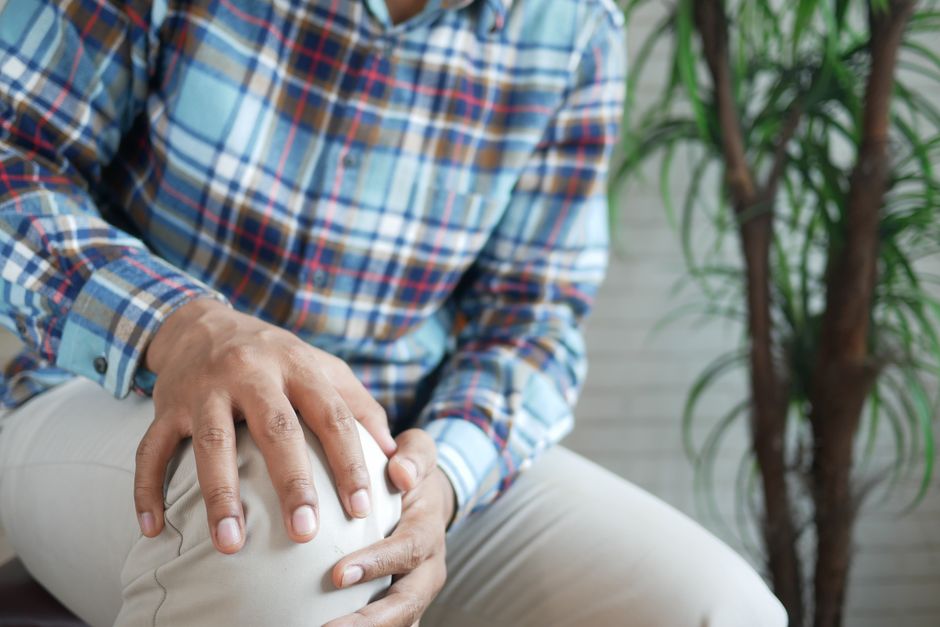
Stiffness in the knees, hips, or hands often begins as a subtle nuisance before becoming a daily obstacle. For many, the goal is not a miracle cure, but a way to maintain mobility and reduce the friction that leads to discomfort during routine movement.
Glucosamine is one of the most widely discussed supplements for this purpose. However, the volume of available information often obscures the actual science, leaving many users unsure if the supplement provides a tangible benefit or if they are simply experiencing a placebo effect.
Why it matters
Joint health is fundamentally about the integrity of articular cartilage, the slippery tissue that prevents bones from rubbing together. As we age, or through repeated mechanical stress, this cartilage can degrade, leading to osteoarthritis. Maintaining this tissue is critical for long-term independence and physical activity.
While supplements are a common approach, they function best as part of a broader strategy. A balanced diet rich in nutrients provides the necessary building blocks for tissue repair, which supplements are designed to augment rather than replace.
The science
Glucosamine is an amino sugar that occurs naturally in the human body, specifically in the fluid and tissues that cushion the joints. Its primary role is to serve as a precursor for glycosaminoglycans, which are the essential components of cartilage and synovial fluid.
There are two primary forms found in supplements: glucosamine sulfate and glucosamine hydrochloride. Research suggests that glucosamine sulfate may be more effective for some users because the sulfate component is also necessary for the synthesis of cartilage. Some clinical trials indicate that a significant percentage of users experience a reduction in pain, though results vary from person to person.
The mechanism involves stimulating the production of chondrocytes, the cells responsible for maintaining cartilage. By providing the raw materials needed for these cells, glucosamine may help slow the degradation of the joint matrix. However, the efficacy is often dependent on the stage of joint wear; it is generally more effective for mild to moderate osteoarthritis than for severe joint degradation where the cartilage is entirely absent.
Practical strategies
Select the correct form
If your primary goal is the management of osteoarthritis symptoms, prioritize glucosamine sulfate over the hydrochloride version. Sulfate is more frequently used in the clinical trials that show positive outcomes for pain reduction and joint space preservation. Check the label to ensure the supplement is pharmaceutical grade to avoid contaminants.
Combine with chondroitin
Glucosamine is rarely used in isolation. It is often paired with chondroitin, another structural component of cartilage. While glucosamine provides the building blocks, chondroitin helps the cartilage retain water, which improves elasticity and shock absorption. This synergistic approach is a standard protocol for those seeking a more robust support system.
Implement a loading phase
Consistency is more important than dosage spikes. Most evidence suggests a daily dose of 1,500 mg of glucosamine sulfate. Rather than taking a high dose once a week, a steady daily intake ensures a constant supply of the amino sugar in the bloodstream, allowing the body to utilize it for tissue repair over several months.
Common mistakes
- Expecting immediate results: Glucosamine is not a fast-acting analgesic. It typically takes 4 to 8 weeks of consistent use before a noticeable difference in stiffness occurs.
- Ignoring shellfish allergies: Many glucosamine supplements are derived from the shells of shrimp, lobster, and crabs. Those with shellfish allergies must seek vegan or synthetic alternatives to avoid severe reactions.
- Over-reliance on supplements: Using glucosamine as a substitute for weight management or physical therapy. Reducing the load on the joints is more effective than any supplement alone.
- Ignoring blood sugar levels: Some studies suggest that glucosamine may affect insulin sensitivity. Individuals with diabetes should monitor their glucose levels closely when starting this supplement.
When to seek help
Supplements are intended for support, not for treating acute injury or systemic disease. If you experience sudden joint swelling, redness, warmth to the touch, or a complete loss of range of motion, consult a healthcare provider immediately. These can be signs of an infection or an inflammatory autoimmune condition that requires prescription medication rather than nutritional support.
Key takeaways
Glucosamine acts as a precursor to cartilage repair and is most effective in the form of glucosamine sulfate. It works best when combined with a nutrient-dense diet and a consistent daily regimen. While it may slow the progression of joint wear in some individuals, it is not a cure for advanced osteoarthritis. Always verify the source of the ingredient to ensure it is safe for your specific allergies and health profile.
Frequently asked
How long does it take to work?
Most people notice a difference after 4 to 12 weeks of daily use.
Is it safe for long-term use?
Generally, yes, though long-term use should be monitored by a doctor, especially for those with diabetes or blood-thinning medication requirements.
Can I take it with other vitamins?
Yes, it is often taken alongside Omega-3 fatty acids and Vitamin D to address both the structural and inflammatory aspects of joint health.
Does it work for all types of joint pain?
It is most effective for degenerative wear (osteoarthritis) and less effective for acute injuries like ligament tears or tendonitis!
For full pricing, current offers, and the official guarantee, see the maker page for Joint Genesis.
Affiliate link · This may earn us a commission at no extra cost to you.
Reader notes (0)
No notes yet. Be the first to share your protocol experience.