Elderberry for Immune Support: Evidence and Practical Use
Elderberry may help support immune defenses, especially during seasonal challenges. Here’s what the evidence shows and how to use it safely and practical tips for daily wellness.
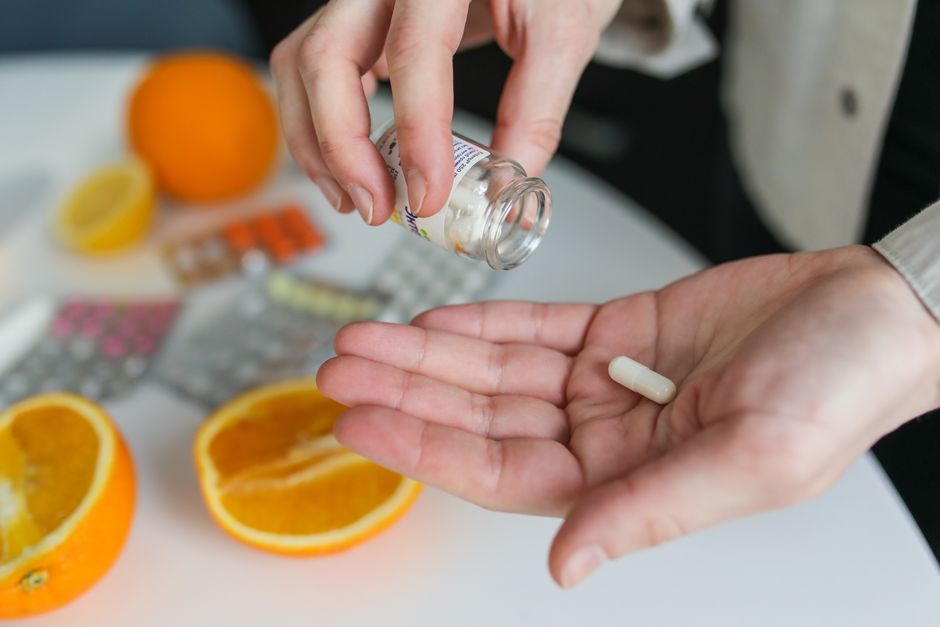
Many people notice they catch colds more often when stress, travel, or seasonal changes disrupt their routine. They look for simple, food‑based ways to bolster their defenses without relying on harsh medications. Elderberry, a dark purple fruit from the Sambucus tree, has gained attention as a gentle option that might help the immune system respond more effectively.
Why it matters
The immune system constantly faces challenges from viruses, bacteria, and environmental stressors. Supporting it with nutrients and phytochemicals can reduce the frequency and length of common illnesses. While vitamin C is a well‑known immune nutrient, other plant compounds may offer complementary actions. For reliable information on vitamin C’s role in immunity, see the NIH Office of Dietary Supplements on vitamin C.
The science
Elderberry contains flavonoids such as anthocyanins, which have antioxidant properties and may modulate cytokine production-signaling molecules that coordinate immune responses. Laboratory studies suggest these compounds can inhibit the ability of certain viruses to enter host cells, potentially shortening the duration of symptoms. A randomized controlled trial involving 60 adults with flu‑like symptoms found that those taking a standardized elderberry extract recovered, on average, 4 days faster than placebo recipients. To understand how foundational nutrients like vitamin C contribute to immune health, refer again to the NIH Office of Dietary Supplements on vitamin C for baseline guidance.
Practical strategies
Choose a standardized product
Look for extracts that specify the amount of anthocyanins (often expressed as a percentage) and are produced using gentle methods like water or ethanol extraction. Standardization helps ensure consistent dosing, which is important when studying effects in research.
Follow recommended dosing
Most clinical trials used doses ranging from 300 mg to 600 mg of elderberry extract taken two to three times daily at the onset of symptoms. Always follow the label instructions or consult a healthcare professional for personalized guidance.
Combine with supportive habits
Elderberry works best as part of a broader wellness routine. Adequate sleep, regular moderate exercise, and a diet rich in fruits, vegetables, and fermented foods support immune resilience. For insights on nurturing gut flora, see Gut Bacteria and Immunity: How to Optimize Your Microbiome. To learn how probiotics can further bolster defenses, read How Probiotics Support Immune Health: Evidence-Based Tips.
Common mistakes
- Using elderberry syrup that contains high amounts of added sugar, which can counteract immune benefits.
- Taking the product only after symptoms are severe, missing the window when early intervention shows the greatest effect.
- Assuming elderberry replaces vaccines or medical treatment; it is a complementary approach, not a substitute.
- Ignoring possible interactions with immunosuppressant medications; consult a doctor if you are on such drugs.
When to seek help
If you experience high fever, difficulty breathing, persistent chest pain, or symptoms that worsen after a few days of self‑care, contact a healthcare provider promptly. Elderberry is generally well tolerated, but individual responses vary, and professional evaluation is essential for serious or prolonged illness.
Key takeaways
Elderberry provides flavonoids that may help modulate immune activity and reduce the duration of common viral illnesses. Choosing a standardized extract, using it at the first sign of symptoms, and pairing it with healthy lifestyle habits offers the most sensible approach. Remember that Results vary from person to person, and the supplement should complement-not replace-foundational preventive measures such as vaccination, good hygiene, and balanced nutrition.
Frequently asked
Can I take elderberry every day? Some people use it daily during high‑risk seasons, but long‑term safety data are limited. Short‑term use at the onset of illness is better supported by research.
Are there side effects? Mild digestive upset or allergic reactions have been reported in rare cases. Discontinue use if you notice rash, itching, or stomach discomfort.
Is elderberry safe for children? Pediatric formulations exist, but dosing must be age‑appropriate. Always check with a pediatrician before giving any supplement to a child.
Does elderberry interact with medications? It may affect immune‑modulating drugs; discuss with your doctor if you take immunosuppressants, chemotherapy, or medications for autoimmune conditions.
For full pricing, current offers, and the official guarantee, see the maker page for Flush Factor.
Affiliate link · This may earn us a commission at no extra cost to you.
Reader notes (0)
No notes yet. Be the first to share your protocol experience.