Gut Bacteria and Immunity: How to Optimize Your Microbiome
Your gut houses trillions of microbes that directly shape immune function. Discover evidence‑based ways to nurture these bacteria and strengthen your body’s defenses.
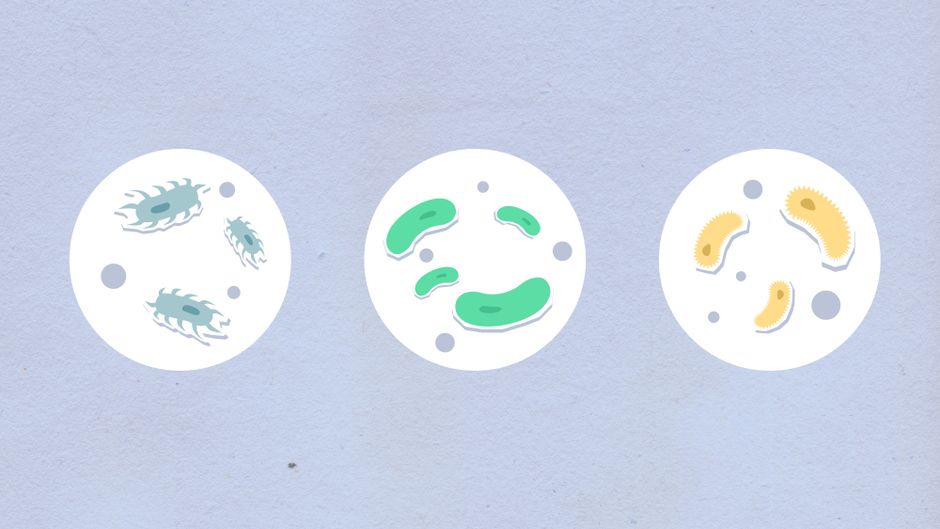
Many people notice frequent colds, digestive discomfort, or unexplained fatigue and wonder if their gut health could be the missing link. The gut microbiome-a complex community of bacteria, viruses, and fungi-communicates constantly with the immune system, influencing everything from barrier integrity to inflammatory responses. When this community falls out of balance, immune resilience can suffer, leaving you more susceptible to infections and slower to recover.
Understanding how to support beneficial gut bacteria is not about quick fixes but about consistent, science‑backed habits that promote microbial diversity and function. By focusing on diet, lifestyle, and targeted nutrients, you can help your microbiome work in harmony with your defenses.
Why it matters
Approximately 70 % of the body’s immune cells reside in the gut-associated lymphoid tissue, making the intestinal environment a primary site for immune regulation vitamin D plays a key role in modulating this tissue, supporting the production of antimicrobial peptides and helping maintain tolerance to harmless microbes. When vitamin D levels are low, studies have observed altered cytokine profiles and increased susceptibility to respiratory infections, underscoring the nutrient’s importance in the gut‑immune axis.
The science
The gut microbiome influences immunity through several mechanisms. Beneficial bacteria ferment dietary fibers into short‑chain fatty acids (SCFAs) such as butyrate, which strengthen the intestinal barrier by tightening epithelial junctions and reducing permeability. A robust barrier prevents bacterial translocation that could trigger systemic inflammation. Additionally, certain microbes stimulate the production of immunoglobulin A (IgA) in the gut lumen, a key antibody that neutralizes pathogens before they breach the mucosa. Vitamin C contributes to this process by supporting epithelial cell function and enhancing the activity of phagocytes that clear microbes vitamin C also acts as an antioxidant, protecting immune cells from oxidative stress during infection.
These interactions illustrate why nurturing a diverse microbiome is more than a digestive concern-it directly shapes how quickly and effectively your immune system can respond to threats.
Practical strategies
1. Eat a fiber‑rich, varied diet
Include a wide range of plant foods-legumes, whole grains, nuts, seeds, fruits, and vegetables-to provide different fibers that feed distinct bacterial species. Aim for at least 30 grams of fiber daily; this amount has been associated with increased microbial diversity in observational studies. Rotating foods weekly prevents the dominance of a single bacterial group and encourages a resilient community.
2. Incorporate fermented foods with live cultures
Foods such as yogurt, kefir, sauerkraut, kimchi, and miso contain live lactobacilli and bifidobacteria that can transiently join the gut ecosystem. Consuming one to two servings per day may help maintain beneficial populations, especially after antibiotic use. When selecting products, look for labels that specify “live and active cultures” and avoid those with added sugars that can counteract benefits.
For readers seeking a convenient way to ensure consistent intake, some find a Flushfactorplus helpful for delivering a standardized blend of probiotic strains alongside prebiotic fiber.
3. Prioritize sleep, stress management, and moderate exercise
Chronic stress and poor sleep elevate cortisol, which can reduce secretory IgA and alter gut permeability. Aim for 7‑9 hours of quality sleep nightly and practice relaxation techniques such as deep breathing or mindfulness for 10‑15 minutes daily. Moderate aerobic activity-like brisk walking or cycling for 150 minutes per week-has been shown to increase SCFA production and support microbial diversity without the immunosuppressive effects seen with excessive, high‑intensity training.
Common mistakes
- Relying solely on probiotic supplements while neglecting dietary fiber, which starves the bacteria you’re trying to support.
- Consuming excessive alcohol or processed foods that promote inflammation and reduce beneficial bacterial counts.
- Using antibiotics unnecessarily or without completing the prescribed course, leading to lasting drops in microbial diversity.
- Overlooking hydration; adequate water intake is essential for fiber fermentation and SCFA formation.
When to seek help
If you experience persistent gastrointestinal symptoms such as severe bloating, diarrhea, or abdominal pain, or if you notice frequent infections despite lifestyle adjustments, consult a healthcare professional. They can evaluate for underlying conditions like irritable bowel syndrome, inflammatory bowel disease, or immunodeficiencies and may recommend targeted testing, such as stool analysis or immune panels, to guide personalized interventions.
Key takeaways
- A substantial portion of immune activity is modulated by gut bacteria, making microbiome health central to defense.
- Dietary fiber, fermented foods, and adequate vitamin C and D intake are evidence‑based ways to nurture beneficial microbes.
- Lifestyle factors-sleep, stress, and moderate exercise-directly influence microbial composition and immune readiness.
- Avoid common pitfalls like low‑fiber diets, excessive alcohol, and unnecessary antibiotics.
- Results vary from person to person; monitor your response and adjust strategies accordingly.
Frequently asked
Can I improve my gut immunity without supplements?
Yes. A diet rich in diverse fibers, regular consumption of fermented foods, and healthy lifestyle habits are sufficient for many individuals to support a balanced microbiome and robust immune function.
How long does it take to see changes in gut bacteria after adjusting my diet?
Microbial shifts can begin within days of dietary changes, but measurable improvements in diversity and immune markers often appear after several weeks of consistent effort.
Is it safe to take vitamin C and vitamin D together for gut immunity?
Both vitamins are generally safe when taken within recommended daily allowances. They complement each other-vitamin C supports epithelial health and antioxidant defenses, while vitamin D regulates immune cell activity. Consult your provider if you have specific health conditions or are taking medications that could interact with these supplements.
Should I avoid all sugar to protect my gut microbiome?
Excessive added sugars can promote the growth of less beneficial microbes and contribute to inflammation. Moderating intake, especially from sugary beverages and snacks, is advisable, but naturally occurring sugars in whole fruits are typically fine when consumed as part of a balanced diet.
For full pricing, current offers, and the official guarantee, see the maker page for Flushfactorplus.
Affiliate link · This may earn us a commission at no extra cost to you.
Reader notes (0)
No notes yet. Be the first to share your protocol experience.