DIY Colon Cleansing with Psyllium Husk: Evidence-Based Guide
Psyllium husk is a soluble fiber that can aid bowel regularity when used correctly. This guide outlines evidence‑based steps, safety tips, and signs that warrant medical advice.
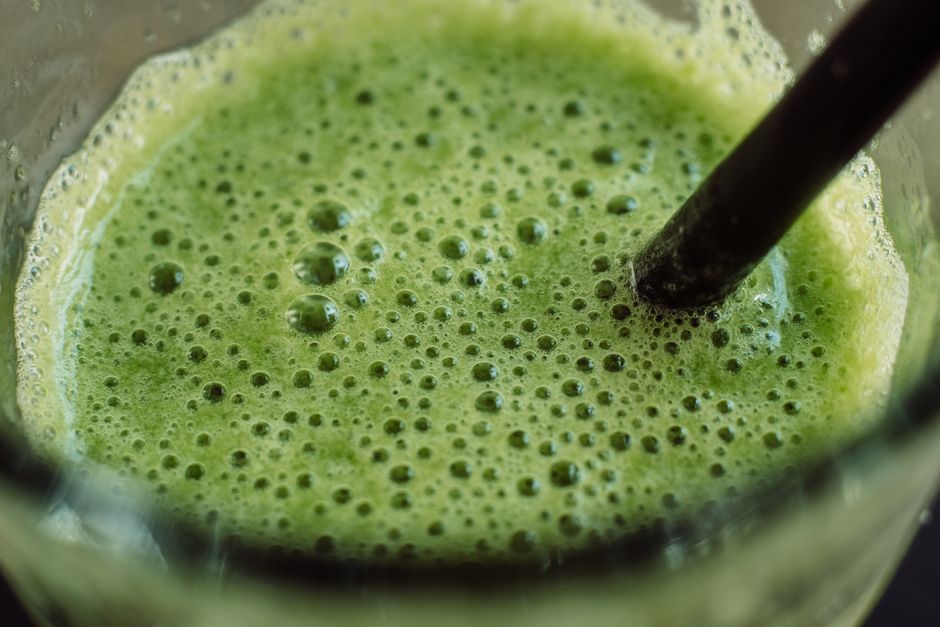
Many people experience occasional bloating, irregular bowel movements, or a feeling of heaviness after meals. When these symptoms persist, they often look for simple, at‑home ways to support digestive comfort. Psyllium husk, a soluble fiber derived from the Plantago ovata seed, has gained attention as a gentle option for promoting regularity without harsh laxatives.
Before adding any supplement to your routine, it’s helpful to understand what the research says, how to use it properly, and what signs indicate you should seek professional advice. This article provides a clear, evidence‑based overview of DIY colon cleansing with psyllium husk.
Why it matters
Maintaining regular bowel movements supports overall comfort and may reduce the risk of discomfort associated with constipation. While the colon naturally eliminates waste, factors such as low fiber intake, dehydration, or stress can slow transit time. Increasing soluble fiber intake is a widely recommended first step to improve stool consistency and frequency.NIH Office of Dietary Supplements notes that adequate fiber intake is linked to better gastrointestinal function.
The science
Psyllium husk contains soluble fiber that absorbs water in the gastrointestinal tract, forming a gel‑like substance. This gel increases stool bulk and softens the stool, making it easier to pass. The viscous gel also slows gastric emptying slightly, which can help moderate blood sugar responses after meals. Clinical studies have shown that doses of 5‑10 grams per day can improve bowel movement frequency in adults with mild constipation.NIH Office of Dietary Supplements highlights that soluble fiber supplements like psyllium are effective for promoting regularity when taken with sufficient fluid.
Practical strategies
Using psyllium husk safely involves three key steps: choosing the right product, preparing it correctly, and integrating it into your daily routine.
Select a high‑quality product
Look for pure psyllium husk powder or whole husks with no added sugars, artificial flavors, or unnecessary fillers. Check the label for a minimum of 85 % soluble fiber content. If you prefer capsules, ensure they provide at least 5 grams of husk per serving.
Prepare the mixture properly
Measure 5 grams (about one level tablespoon) of psyllium husk powder. Add it to 8 ounces (240 ml) of room‑temperature water, juice, or a non‑caffeinated beverage. Stir vigorously for 20‑30 seconds to prevent clumping, then drink the mixture immediately. Follow with another 8 ounces of plain water to ensure adequate hydration.
Establish a consistent routine
Start with one serving per day, preferably in the morning with breakfast. Monitor your bowel movements over the next few days; if you experience no adverse effects, you may increase to a second serving later in the day. Do not exceed 10 grams total per day without professional guidance. Remember to maintain overall fluid intake throughout the day to support fiber’s gel‑forming action.
Results vary from person to person.
For complementary wellness practices, some readers find that combining fiber support with gentle circulation techniques can enhance overall comfort. For example, exploring Detoxing Through Foot Soaks or reviewing Dry Brushing for Lymphatic Health: Techniques and Evidence may provide additional supportive routines.
Common mistakes
- Insufficient water intake: consuming psyllium without enough fluid can lead to choking or intestinal blockage.
- Using flavored or sweetened versions: added sugars may counteract digestive benefits and contribute to bloating.
- Taking the dose too close to bedtime: lying down soon after ingestion can increase the risk of reflux.
- Ignoring underlying conditions: persistent symptoms despite fiber use may signal a need for medical evaluation.
When to seek help
If you notice severe abdominal pain, vomiting, blood in the stool, or no improvement in bowel movements after one week of proper psyllium use, discontinue the supplement and consult a healthcare provider. These signs could indicate an obstruction, infection, or other gastrointestinal issue that requires professional assessment.
Key takeaways
- Psyllium husk is a soluble fiber that can improve stool bulk and regularity when taken with adequate water.
- A typical starting dose is 5 grams mixed with 8 ounces of fluid, taken once daily.
- Proper hydration and gradual introduction reduce the risk of side effects.
- Monitor your response and discontinue use if adverse symptoms appear.
- Consider fiber as part of a broader lifestyle approach that includes balanced nutrition and regular movement.
Frequently asked
Can I take psyllium husk with other medications?
Because psyllium can affect absorption, it’s best to take it at least 30 minutes before or after oral medications. Consult your pharmacist or doctor for specific timing advice.
Is psyllium safe for long‑term use?
When used as directed and with sufficient fluid, psyllium is generally considered safe for extended periods. However, periodic evaluation by a healthcare professional is advisable to ensure ongoing suitability.
What if I experience gas or bloating?
Mild gas or bloating can occur as your gut adjusts to increased fiber. Reducing the dose slightly, increasing water intake, or splitting the dose into smaller servings often alleviates these symptoms.
Should I avoid psyllium if I have a history of bowel surgery?
Individuals with certain gastrointestinal surgeries or strictures should seek medical advice before using psyllium, as the bulk‑forming effect could pose a risk in narrowed segments.
For full pricing, current offers, and the official guarantee, see the maker page for Emperor Vigor.
Affiliate link · This may earn us a commission at no extra cost to you.
Reader notes (0)
No notes yet. Be the first to share your protocol experience.