Dry Brushing for Lymphatic Health: Techniques and Evidence
Dry brushing is a traditional practice used to support the body's natural filtration systems. Explore the science of lymphatic drainage and the correct methods for application.
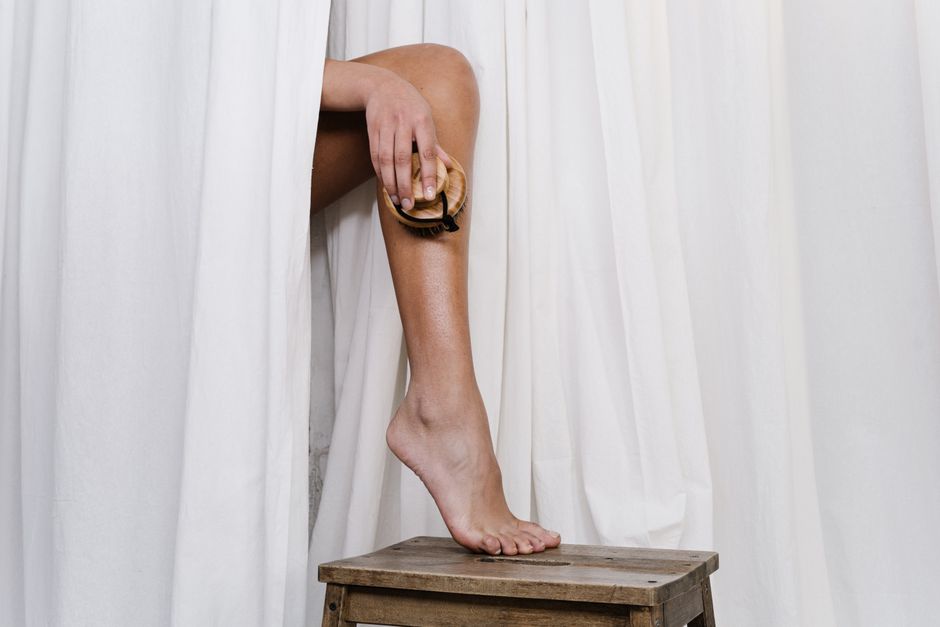
Many people experience a feeling of sluggishness or skin dullness that persists despite a consistent skincare routine. While topical creams address the surface, the underlying cause is often related to the efficiency of the lymphatic system, which manages fluid balance and waste removal from tissues.
Dry brushing offers a mechanical method to stimulate this system. By using a firm-bristled brush on dry skin, individuals can encourage the movement of lymph fluid and remove dead skin cells, creating a more efficient pathway for the body’s natural detox processes.
Why it matters
The lymphatic system is a critical part of the immune system, transporting lymph – a fluid containing infection-fighting white blood cells – throughout the body. Unlike the circulatory system, the lymphatic system does not have a central pump like the heart; it relies on muscle movement and external pressure to move fluid.
Stagnation in this system can lead to edema or a feeling of heaviness in the limbs. By integrating supporting lymphatic drainage: a guide to dry brushing techniques into a morning routine, users can help facilitate the transport of metabolic waste toward the lymph nodes for filtration. This process supports overall systemic health and improves the skin’s texture by increasing surface blood flow.
The science
Dry brushing works through two primary mechanisms: mechanical exfoliation and lymphatic stimulation. The bristles remove the stratum corneum – the outermost layer of dead skin – which allows for better absorption of moisturizers and prevents clogged pores. More importantly, the directional pressure stimulates the lymphatic capillaries.
When pressure is applied in the direction of the heart, it encourages the flow of lymph toward the thoracic duct. This process is closely tied to cellular energy and metabolic efficiency. While dry brushing is a mechanical process, the body’s ability to process these wastes depends on cellular health. For instance, certain nutrients like Coenzyme Q10 play a role in mitochondrial energy production, which supports the general cellular functions necessary for systemic detoxification.
Practical strategies
To achieve the best results, consistency and direction are more important than the intensity of the pressure. Results vary from person to person, but the following steps provide a standardized framework for safe practice.
Selecting the right tools
Avoid synthetic plastic bristles, which can cause micro-tears in the skin. Opt for natural fibers such as cactus or sisal. A long-handled brush is necessary for reaching the back, while a handheld palm brush allows for more precision on the abdomen and extremities.
The directional method
Always brush toward the heart. Start at the soles of the feet and move upward toward the groin. Move from the palms of the hands toward the armpits. Use long, sweeping motions on the limbs and circular motions on the stomach. This directional approach follows the natural flow of the lymphatic vessels, ensuring that fluid is pushed toward the lymph nodes where it can be filtered.
Timing and frequency
The most effective time to dry brush is immediately before a shower. This allows the water to wash away the exfoliated skin cells and any surface debris. Begin with 2-3 times per week to assess skin sensitivity before moving to a daily practice. Spending approximately 5 to 10 minutes per session is typically sufficient for full-body stimulation.
Common mistakes
- Applying too much pressure: Brushing should feel invigorating, not painful. If the skin becomes bright red or irritated, the pressure is too high.
- Brushing over damaged skin: Never use a dry brush on open wounds, rashes, or areas of active inflammation, as this can spread bacteria or cause further injury.
- Ignoring the lymph nodes: Some users brush over the lymph nodes themselves with heavy pressure. Instead, use light, pulsing pressure at the nodes (neck, armpits, and groin) to “open” the channels before brushing the limbs.
- Using the brush on wet skin: The technique is specifically designed for dry skin. Water softens the skin, reducing the exfoliating effect and changing the way the bristles interact with the lymphatic capillaries.
When to seek help
While dry brushing is safe for most, it is not suitable for everyone. Individuals with lymphedema, congestive heart failure, or severe venous insufficiency should consult a medical professional before beginning this practice. If you notice sudden swelling in one limb or localized redness and warmth, seek medical attention immediately, as these can be signs of a deep vein thrombosis (DVT) or infection.
Key takeaways
Dry brushing is a low-cost, non-invasive tool for supporting the body’s natural waste removal systems. By following a heart-ward directional pattern and using natural bristles, you can improve circulation and skin clarity. The practice is most effective when paired with hydration and a consistent schedule. For those looking to expand their detox regimen, understanding the relationship between lymphatic drainage and skin health provides a foundation for a holistic approach to wellness.
Frequently asked
Does dry brushing actually remove toxins?
It does not “pull” toxins out of the skin, but it supports the lymphatic system, which is the body’s primary system for transporting metabolic waste and toxins to the lymph nodes for processing.
Can I dry brush my face?
No. The skin on the face is too delicate for a standard dry brush. Use a specific, soft-bristled facial brush or a gentle chemical exfoliant instead.
How often should I replace my brush?
Replace your brush every 6 to 12 months. Natural bristles wear down and can harbor bacteria and dead skin cells over time.
Can I use oils while brushing?
This is known as oil brushing. While it is gentler on the skin, it changes the exfoliating effect. For pure lymphatic stimulation, the dry method is preferred.
For full pricing, current offers, and the official guarantee, see the maker page for Nagano Tonic.
Affiliate link · This may earn us a commission at no extra cost to you.
Reader notes (0)
No notes yet. Be the first to share your protocol experience.