Understanding Pinhole Glasses: Science, Usage, and Limitations
Explore the optical mechanism behind pinhole glasses and how they temporarily improve focus. Learn practical application steps and the safety boundaries of this technique.
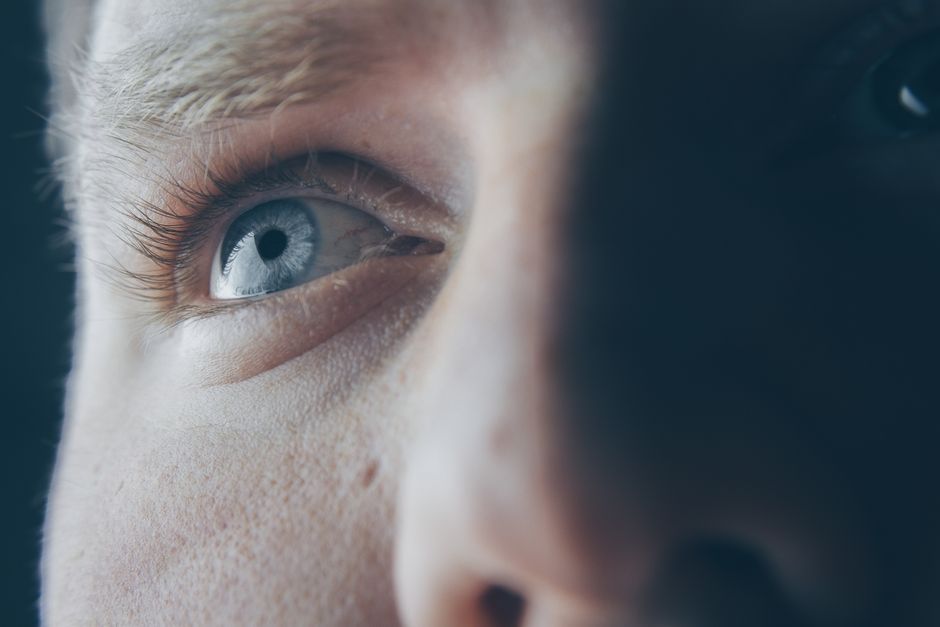
Many people experience a frustrating blur when reading a menu or looking at a distant sign, leading to a search for alternatives to traditional corrective lenses. The desire for a non-invasive way to sharpen focus often leads to the discovery of pinhole glasses, which claim to improve clarity without the need for a prescription.
While these glasses offer a distinct visual experience, it is important to distinguish between temporary clarity and permanent correction. Understanding how the pinhole effect works allows users to integrate them into a broader vision health routine without unrealistic expectations.
Why it matters
Maintaining visual acuity is essential for daily autonomy and mental well-being. When the eye cannot properly focus light on the retina, the resulting blur can lead to eye strain and headaches. While pinhole glasses provide a temporary fix for focus, overall ocular health depends on a combination of proper habits and nutrition. For example, the NIH Office of Dietary Supplements on vitamin A notes the critical role of specific nutrients in maintaining the health of the retina and preventing night blindness.
The science
The effectiveness of pinhole glasses is based on a principle of physics called the pinhole effect. In a standard eye with myopia or hyperopia, light enters through a wide pupil and scatters before it reaches the retina, creating a blurred image. By forcing light through a very small aperture, pinhole glasses block the peripheral light rays that cause the blur.
This process limits the light to a narrow beam that passes through the center of the lens, which significantly increases the depth of field. This allows the image to fall more precisely on the retina, regardless of the eye’s refractive error. This is the same principle used in improving eyesight with pinhole technique, where a small hole created by the fingers can provide immediate, temporary clarity.
Practical strategies
To use pinhole glasses safely and effectively, follow these structured steps to ensure you are not straining your eyes or compromising your safety.
Gradual adaptation
The most significant challenge with pinhole glasses is the reduction of light. Because the apertures block a large percentage of incoming light, your brain needs time to adjust. Start by wearing them for 10 to 15 minutes a day in a well-lit environment. Gradually increase the duration as your eyes become accustomed to the lower light levels.
Targeted application
Use pinhole glasses for stationary tasks rather than general daily wear. They are most effective for reading, using a tablet, or viewing a fixed object. Because they limit peripheral vision, they should never be used for driving, walking, or any activity where spatial awareness is critical. For those working in digital environments, combining these breaks with reducing digital eye strain with the 20-20-20 rule can help manage overall fatigue.
Lighting optimization
Since pinhole glasses reduce the amount of light entering the eye, ambient lighting is crucial. Ensure your environment is brightly lit to compensate for the restricted aperture. This prevents the pupils from over-dilating, which can counteract the pinhole effect and reduce the clarity you are trying to achieve.
Common mistakes
- Using them for navigation: Wearing these glasses while walking or driving is dangerous due to the significant loss of peripheral vision.
- Expecting permanent correction: Pinhole glasses are an optical tool for temporary clarity, not a cure for refractive errors or a replacement for surgery.
- Overusing in low light: Attempting to use them in dim rooms leads to severe image degradation and increased eye strain.
- Ignoring professional exams: Relying solely on these glasses instead of visiting an optometrist to diagnose the root cause of vision loss.
When to seek help
Pinhole glasses are a tool for focus, not a diagnostic device. If you experience sudden vision loss, flashes of light, or a significant increase in floaters, seek immediate medical attention. These symptoms can indicate retinal issues that no optical tool can fix. Results vary from person to person, and a professional exam is the only way to determine if your vision loss is due to simple refractive error or a more serious medical condition.
Key takeaways
Pinhole glasses function by narrowing the field of light to increase depth of field and reduce blur. They provide a temporary improvement in focus but do not change the physical shape of the eye or cure myopia. They are best used for short-term, stationary tasks in bright lighting. Always prioritize safety by avoiding their use during movement and maintaining regular check-ups with an eye care provider.
Frequently asked
Do pinhole glasses cure myopia?
No. They provide a temporary optical effect that improves clarity while worn, but they do not permanently correct the eye’s refractive error.
Can I wear them all day?
It is not recommended. The restriction of peripheral vision and the reduction of light can lead to eye fatigue and safety risks if worn for extended periods.
Are they safe for children?
While generally safe, children should use them under adult supervision to ensure they do not use them during active play or movement.
How long does it take to see results?
The improvement in clarity is immediate upon putting them on, though the adaptation to the diminished light levels may take several days.
For full pricing, current offers, and the official guarantee, see the maker page for Sightcare.
Affiliate link · This may earn us a commission at no extra cost to you.
Reader notes (0)
No notes yet. Be the first to share your protocol experience.