Understanding Alpha Hydroxy Acids: A Guide to Chemical Exfoliation
Explore the science behind AHAs and how these water-soluble acids dissolve dead skin cells. Learn practical application strategies to improve skin texture without causing irritation.
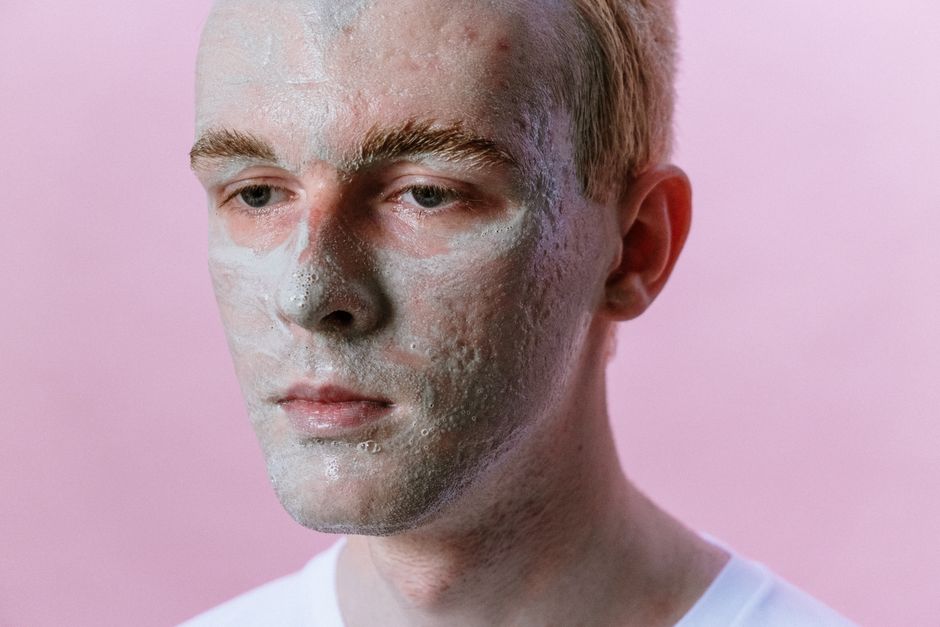
Many people struggle with skin that looks dull, feels rough, or exhibits uneven pigmentation despite a consistent moisturizing routine. This often happens because the natural process of desquamation – the shedding of dead skin cells – slows down as we age or due to environmental stressors. When these cells accumulate, they create a barrier that prevents light from reflecting evenly and hinders the absorption of other skincare ingredients.
Chemical exfoliation via Alpha Hydroxy Acids (AHAs) offers a way to accelerate this process. Unlike physical scrubs that use abrasive particles, AHAs work through chemical dissolution, providing a more uniform exfoliation that can address both surface texture and deeper signs of aging.
Why it matters
Maintaining the skin’s surface integrity is essential for overall dermal health. When dead skin cells are removed efficiently, the skin can better regulate its moisture levels and maintain a clearer complexion. This process is not just about aesthetics; it supports the skin’s ability to regenerate. For those dealing with hyperpigmentation or fine lines, AHAs help by stimulating the production of collagen and increasing cell turnover.
While AHAs handle the surface, overall skin health is often supported by systemic nutrients. For instance, the NIH Office of Dietary Supplements on vitamin A notes that this nutrient is critical for maintaining the health of epithelial cells, which complements the topical work of exfoliating acids by supporting the skin’s natural repair mechanisms.
The science
Alpha Hydroxy Acids are water-soluble organic acids derived from sugary fruits or milk. The most common variants include Glycolic Acid (from sugarcane), Lactic Acid (from milk), and Mandelic Acid (from bitter almonds). Because they are water-soluble, they work primarily on the skin’s surface rather than penetrating deep into the oil-filled pores, making them ideal for surface texture and pigmentation rather than acne-prone congestion.
The mechanism of action involves the dissolution of the “glue” – specifically desmosomes – that holds dead skin cells together. By breaking these bonds, the acids allow the stratum corneum to shed more rapidly. This process triggers a cascade of cellular renewal in the deeper layers of the epidermis. Research indicates that consistent use of AHAs can increase the thickness of the dermis and improve skin elasticity over time. This biological response is often supported by the presence of antioxidants; the NIH Office of Dietary Supplements on vitamin E highlights how certain vitamins protect cell membranes from oxidative stress, which is vital when the skin is in a state of active renewal.
Practical strategies
Introducing AHAs requires a cautious approach to avoid compromising the skin barrier. Results vary from person to person, so customization is necessary.
1. Select the right molecule size
The effectiveness and irritation potential of an AHA depend on its molecular size. Glycolic acid has the smallest molecule, allowing it to penetrate the deepest and fastest, which makes it highly effective but more likely to cause tingling or redness. Lactic acid is larger and more hydrating, making it a better choice for sensitive or dry skin. Mandelic acid is the largest of the three, penetrating the slowest and offering the lowest risk of irritation, which is why it is often recommended for those with darker skin tones prone to post-inflammatory hyperpigmentation.
2. Implement a slow introduction
Start with a low concentration (typically 5% to 8%) and use the product only once or twice a week. This “low and slow” method allows the skin to build tolerance. If no irritation occurs after two weeks, the frequency can be increased to every other night. It is advisable to apply these acids in the evening, as they increase the skin’s sensitivity to ultraviolet radiation.
3. Prioritize barrier protection
Exfoliation removes the top layer of the skin, which can lead to increased transepidermal water loss. To counteract this, always follow an AHA treatment with a ceramide-rich moisturizer or a hyaluronic acid serum. This seals the skin and prevents the dryness that often accompanies chemical exfoliation. Most importantly, a broad-spectrum SPF 30 or higher is non-negotiable during the day, as AHAs increase photosensitivity.
Common mistakes
- Over-exfoliating: Using AHAs every single day or combining them with other strong actives like retinoids in the same session, which can lead to a damaged skin barrier and chronic redness.
- Ignoring the patch test: Applying a high-percentage acid to the entire face without testing a small area on the jawline or inner arm first.
- Mixing incompatible actives: Using Vitamin C (L-ascorbic acid) and AHAs simultaneously, which can destabilize the formulas and cause extreme irritation.
- Skipping sunscreen: Failing to protect the newly revealed skin cells from the sun, which can lead to increased sun damage and paradoxical darkening of pigment spots.
When to seek help
While mild tingling is normal, severe reactions are not. If you experience persistent burning, blistering, or a rash that does not subside within a few hours, discontinue use immediately. If the skin becomes excessively tight, shiny (a sign of over-exfoliation), or develops open sores, consult a board-certified dermatologist. Professional intervention is necessary if you suspect a chemical burn or if you have a pre-existing condition like rosacea that may be aggravated by acid application.
Key takeaways
AHAs are effective for brightening skin and improving texture by dissolving the bonds between dead skin cells. Glycolic acid is the most potent, while Mandelic acid is the gentlest. Safe usage requires a gradual introduction, a commitment to daily sun protection, and a focus on barrier repair. Consistency and patience are more effective than high concentrations and frequent application.
Frequently asked
Can I use AHAs if I have sensitive skin?
Yes, but choose Lactic or Mandelic acid instead of Glycolic acid. Start with a very low concentration and limit application to once a week.
How long does it take to see results?
Surface smoothness is often noticeable within 1-2 weeks, but improvements in fine lines and hyperpigmentation typically require 4 to 8 weeks of consistent use.
Can I use AHAs with Retinol?
It is generally safer to use them on alternating nights – “skin cycling” – rather than layering them together, to minimize the risk of irritation.
Do AHAs help with acne?
They help with surface congestion and fading acne scars, but for deep, cystic acne, BHA (Salicylic Acid) is usually more effective because it is oil-soluble and can penetrate the pore.
For full pricing, current offers, and the official guarantee, see the maker page for Revanail.
Affiliate link · This may earn us a commission at no extra cost to you.
Reader notes (0)
No notes yet. Be the first to share your protocol experience.