Using Aromatherapy to Ease Anxiety: Evidence-Based Tips
Aromatherapy uses plant-derived essential oils to influence mood and reduce anxiety symptoms. Learn which oils show promise, how to use them safely, and when to combine them with other strategies.
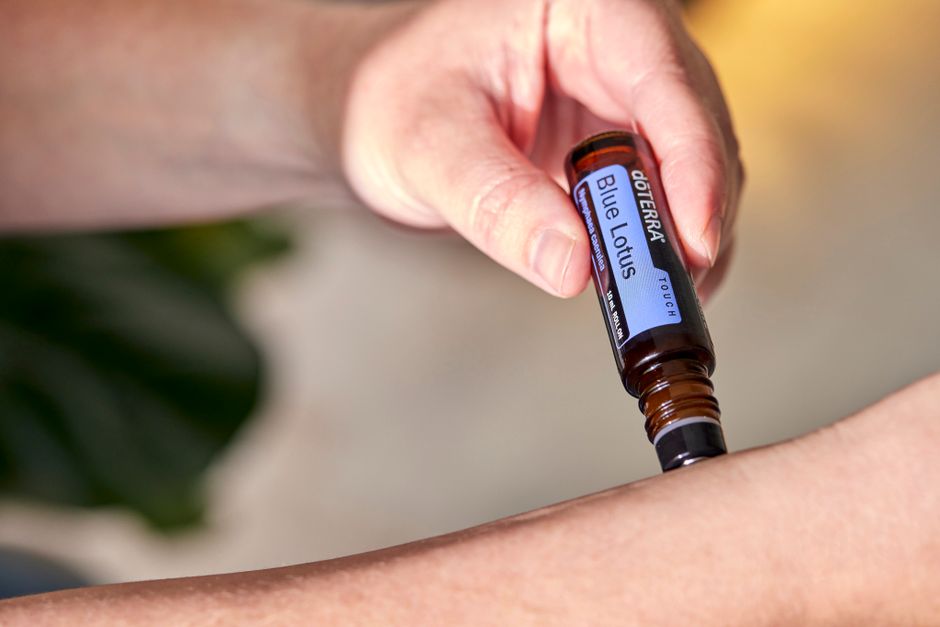
Many people experience occasional anxiety that interferes with focus, sleep, or daily comfort. When looking for gentle, self‑care options, aromatherapy often appears as a low‑risk approach worth exploring.
Why it matters
Anxiety can affect concentration, mood stability, and overall well‑being. Addressing it early may prevent escalation into more persistent stress patterns. Nutritional factors such as magnesium status also play a role in nervous system regulation (NIH Office of Dietary Supplements on magnesium).
The science
Essential oils contain volatile compounds that interact with olfactory receptors and can influence limbic system activity, which governs emotional responses. Inhalation of certain oils, such as lavender or bergamot, has been shown in clinical trials to lower self‑reported anxiety scores. For example, a meta‑analysis of randomized controlled trials reported an average reduction of approximately 30% in anxiety measures after lavender inhalation (Mayo Clinic on stress management). Results vary from person to person.
Practical strategies
Choose appropriate oils
Start with oils that have the strongest research backing for anxiety relief: lavender (Lavandula angustifolia), bergamot (Citrus bergamia), and chamomile (Chamaemelum nobile). Use a high‑quality, pure essential oil labeled for aromatherapy.
Use safe inhalation methods
Add 2-3 drops of essential oil to a diffuser filled with water and run it for 20-30 minutes in a well‑ventilated room. Alternatively, place a drop on a cotton ball and inhale gently for a few minutes. Avoid direct skin application without dilution.
Combine with complementary habits
Aromatherapy works best when paired with other calming practices such as deep breathing, short walks, or adequate hydration. Some readers also find it helpful to review Stabilizing Mood Swings With Omega-3 Fatty Acids: A Guide to support overall mood balance.
Common mistakes
- Using undiluted essential oils directly on the skin, which can cause irritation or sensitization.
- Relying solely on scent without addressing underlying stressors or lifestyle factors.
- Overusing diffusers for extended periods, leading to headaches or respiratory discomfort.
- Ignoring professional advice when anxiety feels overwhelming or persistent.
When to seek help
If anxiety symptoms persist for several weeks, interfere with work or relationships, or are accompanied by panic attacks, it is advisable to consult a mental health professional. Aromatherapy can be a supportive tool but does not replace evidence‑based treatments such as therapy or medication when needed.
Key takeaways
- Lavender, bergamot, and chamomile essential oils have the most consistent evidence for reducing anxiety.
- Safe inhalation via diffuser or brief cotton‑ball exposure is the recommended method.
- Results vary from person to person; start with low doses and observe your response.
- Combine aromatherapy with other stress‑reduction habits and consider nutritional supports like magnesium.
- Seek professional care if anxiety becomes severe or long‑lasting.
- For additional mood‑support strategies, see Stabilizing Mood Swings With Omega-3 Fatty Acids: A Guide.
Frequently asked
- Can I ingest essential oils for anxiety?
No. Ingestion is not recommended without professional supervision due to potential toxicity. - How often should I use a diffuser?
Limit sessions to 20-30 minutes, once or twice a day, and ensure the room is ventilated. - Are there any oils to avoid?
Some stimulating oils like rosemary or peppermint may increase alertness and could worsen anxiety in sensitive individuals. - Does aromatherapy replace medication?
No. It may complement treatment but should not be used as a substitute for prescribed anxiety medication.
Reader notes (0)
No notes yet. Be the first to share your protocol experience.