How Vitamin D Influences Hormone Balance and What You Can Do
Vitamin D does more than support bones—it acts as a hormone that influences estrogen, testosterone, and thyroid function. Discover how adequate levels can help balance your endocrine system and what to do if you're deficient.
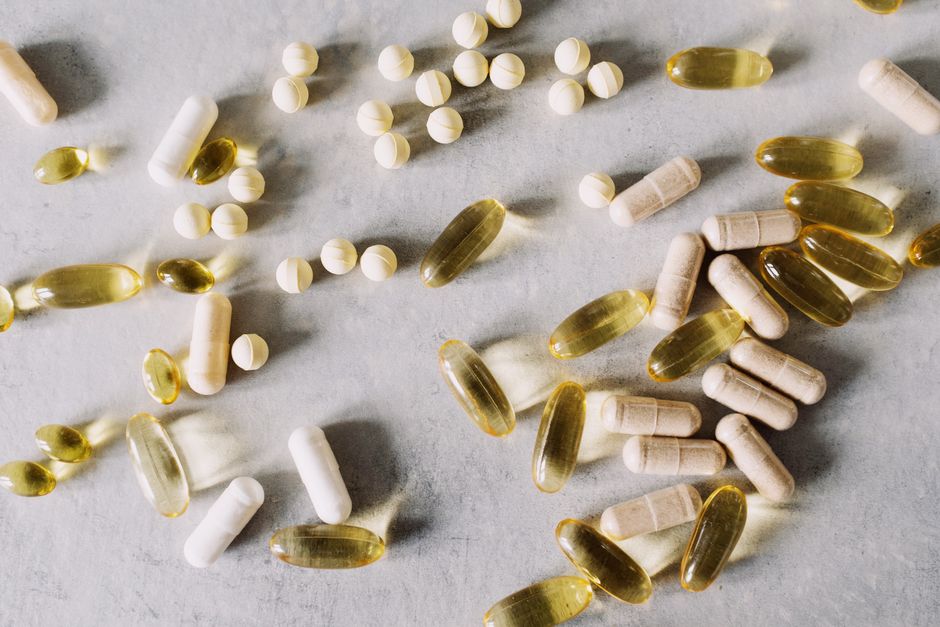
Many people notice fatigue, mood swings, or changes in weight and suspect a hormone imbalance. While stress and diet often get the blame, a lesser‑known factor is vitamin D status. This nutrient functions like a hormone itself, interacting with glands that produce estrogen, testosterone, and thyroid hormones. If you’ve been feeling off despite a healthy lifestyle, checking your vitamin D levels might reveal a missing piece.
Why it matters
Vitamin D receptors are present in tissues throughout the body, including the ovaries, testes, thyroid, and adrenal glands. When vitamin D binds to these receptors, it can modulate gene expression that affects hormone synthesis and signaling. Research links sufficient vitamin D to more stable estrogen and testosterone levels, as well as healthier thyroid hormone production. According to the NIH Office of Dietary Supplements on vitamin D, maintaining serum 25‑hydroxyvitamin D concentrations of at least 30 ng/mL is associated with reduced risk of hormonal dysregulation.
The science
The active form of vitamin D, calcitriol, enters the nucleus of target cells and binds to vitamin D receptors (VDR). This complex then interacts with DNA to increase or decrease the transcription of specific genes. In the ovaries, VDR activation supports aromatase activity, the enzyme that converts androgens to estrogen. In the testes, adequate vitamin D correlates with improved Leydig cell function, which produces testosterone. Thyroid cells also express VDR, and vitamin D can influence the production of thyroxine (T4) and triiodothyronine (T3) by affecting thyroid‑stimulating hormone sensitivity. While vitamin D directly impacts these pathways, other micronutrients such as iodine are essential for thyroid hormone synthesis. The NIH Office of Dietary Supplements on iodine notes that iodine deficiency can impair thyroid hormone output, underscoring the importance of a balanced micronutrient profile.
Practical strategies
Achieving and maintaining optimal vitamin D levels involves sunlight exposure, dietary choices, and, when needed, supplementation. Below are three evidence‑based actions you can start today.
1. Get sensible sun exposure
UVB radiation converts 7‑dehydrocholesterol in the skin to previtamin D₃, which then becomes vitamin D₃. Aim for 10‑30 minutes of midday sun on uncovered arms and legs two to three times per week, depending on skin tone, latitude, and season. Remember that sunscreen with SPF 30 or higher blocks UVB, so brief unprotected exposure is necessary for synthesis, followed by protection to prevent skin damage.
2. Include vitamin D‑rich foods
Few foods naturally contain high amounts of vitamin D. Fatty fish such as salmon, mackerel, and sardines provide 400‑600 IU per serving. Egg yolks and fortified dairy or plant‑based milks add smaller amounts. If you follow a vegetarian or vegan diet, look for fortified cereals or UV‑exposed mushrooms. Pairing these foods with a source of fat improves absorption because vitamin D is fat‑soluble.
3. Consider supplementation when needed
When sunlight and diet fall short, a vitamin D₃ supplement can help reach target serum levels. The Endocrine Society suggests 1500‑2000 IU daily for adults at risk of deficiency, but individual needs vary. Have your 25‑hydroxyvitamin D tested before starting high‑dose regimens, and retest after three months to adjust dosage. Results vary from person to person, so personalized guidance from a healthcare provider ensures safety and effectiveness.
For additional reading on how plant compounds interact with hormone pathways, see our article on Phytoestrogens in Diet: Natural Support for Hormone Balance. It discusses dietary phytoestrogens that can complement vitamin D’s effects on estrogen balance.
Common mistakes
- Relying solely on sunlight during winter months without adjusting for reduced UVB intensity.
- Taking high‑dose vitamin D without monitoring blood levels, which can lead to hypercalcemia.
- Ignoring cofactors like magnesium and vitamin K₂ that aid vitamin D metabolism.
- Assuming fortified foods provide enough vitamin D to correct a deficiency.
When to seek help
If you experience persistent symptoms such as unexplained weight gain, low libido, mood disturbances, or fatigue despite lifestyle changes, consult a healthcare professional. They can order a serum 25‑hydroxyvitamin D test, evaluate thyroid and sex hormone panels, and rule out other conditions. A provider can also recommend appropriate supplementation dosage and monitor for adverse effects.
Key takeaways
- Vitamin D acts as a hormone that influences estrogen, testosterone, and thyroid hormone pathways.
- Maintaining serum levels above 30 ng/mL supports hormonal balance and reduces dysregulation risk.
- Combine safe sun exposure, vitamin D‑rich foods, and targeted supplementation based on testing.
- Monitor levels and adjust intake; results vary from person to person.
- Seek medical advice if symptoms persist or if you consider high‑dose supplementation.
Frequently asked
How long does it take to raise vitamin D levels with supplementation?
With daily dosing of 1000‑2000 IU, most people see a measurable increase in serum 25‑hydroxyvitamin D after four to eight weeks. Higher doses may shorten this window but require medical supervision.
Can too much vitamin D cause hormone problems?
Excessive vitamin D can raise calcium levels, potentially suppressing parathyroid hormone and causing calcification in soft tissues. This indirectly affects hormone balance, so staying within recommended limits is important.
Do I need to take vitamin D with food?
Yes. Because vitamin D is fat‑soluble, consuming it with a meal containing fat improves absorption. A simple snack like yogurt or avocado works well.
Is vitamin D supplementation safe during pregnancy?
Adequate vitamin D supports fetal bone development and maternal hormone health. Typical prenatal vitamins contain 400‑600 IU, but some individuals may need more based on testing. Always discuss supplementation with your obstetrician.
For full pricing, current offers, and the official guarantee, see the maker page for Biodentix.
Affiliate link · This may earn us a commission at no extra cost to you.
Reader notes (0)
No notes yet. Be the first to share your protocol experience.