Gut Friendly Fiber Sources: A Guide to Diversifying Your Intake
Navigating fiber intake can be challenging when digestive sensitivity is a factor. This guide explores the best fiber sources for gut health and how to introduce them safely.
Many people recognize that fiber is essential for digestive health, yet the experience of increasing fiber intake is often fraught with bloating, gas, and discomfort. This creates a paradox where the very nutrients intended to heal the gut can temporarily make the user feel worse.
The challenge lies in the fact that not all fiber is created equal. Some sources are gentle and supportive, while others can be irritating to a sensitive intestinal lining. Understanding the distinction between soluble and insoluble fiber allows for a more tailored approach to gut health.
Why it matters
Fiber is the primary fuel source for the trillions of bacteria residing in the colon. When we consume fiber that our own enzymes cannot digest, it reaches the large intestine where beneficial microbes ferment it. This fermentation process produces short-chain fatty acids (SCFAs), such as butyrate, which nourish the colon wall and regulate systemic inflammation.
According to data from the NIH Office of Dietary Supplements, the synergy between dietary fiber and the gut microbiome is critical for maintaining the intestinal barrier and supporting overall immune function. Without adequate fiber, the microbiome may lose diversity, potentially leading to a weakened gut lining.
The science
The gut processes two main types of fiber: soluble and insoluble. Soluble fiber dissolves in water to form a gel-like substance, which slows digestion and helps regulate blood glucose levels. Insoluble fiber does not dissolve and instead adds bulk to the stool, facilitating regular bowel movements.
The most gut-friendly fibers are often prebiotic. Prebiotics are non-digestible food components that selectively stimulate the growth and activity of beneficial bacteria. By integrating prebiotic rich foods for gut health, you provide the necessary substrate for Bifidobacteria and Lactobacilli to thrive. This process is not just about “regularity” but about maintaining the biochemical environment of the gut to prevent dysbiosis.
Practical strategies
Prioritize soluble fiber for gentleness
If you have a sensitive system, start with soluble fibers. These are generally better tolerated and less likely to cause immediate irritation. Focus on the following sources:
- Oats and Barley: Rich in beta-glucans that support heart health and gut stability.
- Pectin-rich fruits: Apples (peeled), pears, and citrus fruits.
- Cooked carrots and squash: Cooking breaks down some of the tougher fibers, making them easier on the digestive tract.
Diversify your plant intake
The goal for a healthy microbiome is diversity. Research suggests that individuals who eat more than 30 different types of plants per week have more diverse gut microbiomes than those who eat fewer than 10. To achieve this without overwhelming your system, introduce one new plant source every three days. This gradual approach allows your microbial community to adapt to new fuel sources without causing acute distress.
Implement the “low and slow” method
Increasing fiber too quickly can lead to significant gastrointestinal upset. To mitigate this, increase your intake by only 5 grams per week. Pair this increase with a significant increase in water consumption, as fiber requires hydration to move through the digestive tract efficiently. For those struggling with IBS, focusing on gut soothing foods for IBS relief can provide a foundation of comfort before introducing more complex fibers.
Common mistakes
- Increasing fiber without increasing water: This can lead to constipation, as fiber absorbs water to move waste. Without enough fluid, fiber can become a “plug” in the system.
- Over-reliance on supplements: While fiber powders are convenient, they lack the polyphenols and micronutrients found in whole-food sources.
- Ignoring the role of chewing: Digestion begins in the mouth. Reducing bloating with mindful chewing and slow eating ensures that food is mechanically broken down, reducing the workload on the small intestine.
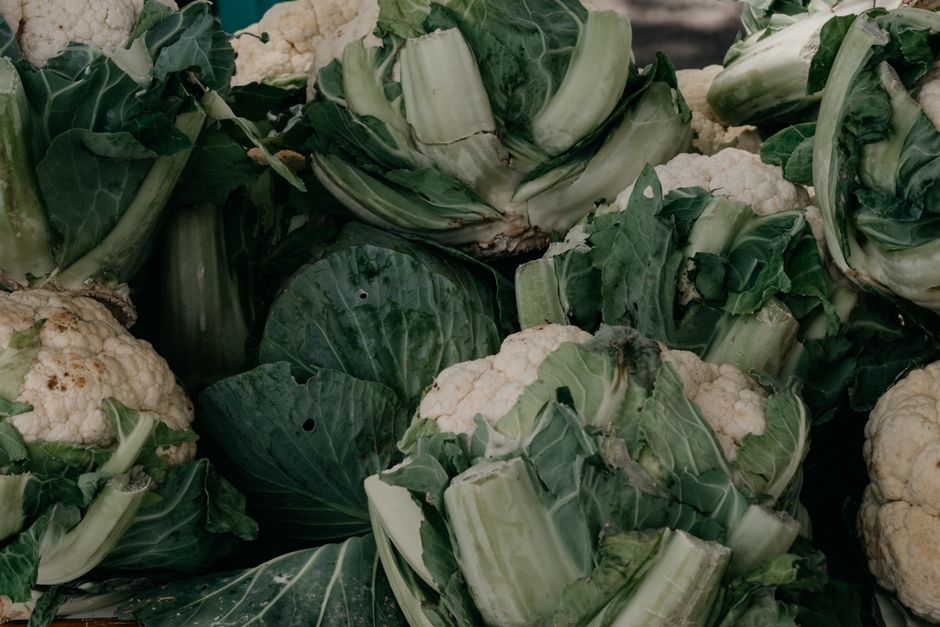
- Consuming raw cruciferous vegetables too early: Raw kale, broccoli, and cabbage contain complex sugars (raffinose) that can cause excessive gas if the gut is not yet adapted to them.
When to seek help
While mild bloating is common when adjusting a diet, severe symptoms should be evaluated by a healthcare provider. If you experience unintended weight loss, blood in the stool, or severe abdominal pain that does not resolve after a few days, consult a gastroenterologist. Results vary from person to person, and some individuals may have underlying conditions, such as SIBO (Small Intestinal Bacterial Overgrowth), where high-fiber diets may temporarily exacerbate symptoms.
Key takeaways
Maintaining a gut-friendly fiber intake is a balance of quality, variety, and pacing. Focus on soluble fibers first, diversify your plant sources gradually, and always prioritize hydration. The objective is not to hit a specific number overnight, but to build a resilient ecosystem that can handle a wide array of nutrients without inflammation.
Frequently asked
How much fiber should I aim for daily?
General guidelines suggest 25-38 grams per day for adults, but the most important factor is the rate of increase rather than the final number.
Can I use fiber supplements instead of food?
Whole foods are preferred because they provide a matrix of nutrients. However, if dietary intake is insufficient, a supplement can be a temporary bridge.
Why do I feel bloated even when eating healthy fibers?
This is often due to a lack of microbial diversity or the introduction of fiber too quickly. Try steaming or roasting vegetables to make them more digestible.
Are all prebiotic fibers safe for everyone?
No. People with certain digestive disorders may find specific prebiotics triggering. It is helpful to keep a food diary to identify which specific fibers cause reactions.
For full pricing, current offers, and the official guarantee, see the maker page for Gutoptim.
Affiliate link · This may earn us a commission at no extra cost to you.
Reader notes (0)
No notes yet. Be the first to share your protocol experience.